Home › Asphalt Driveway Repair & Replacement
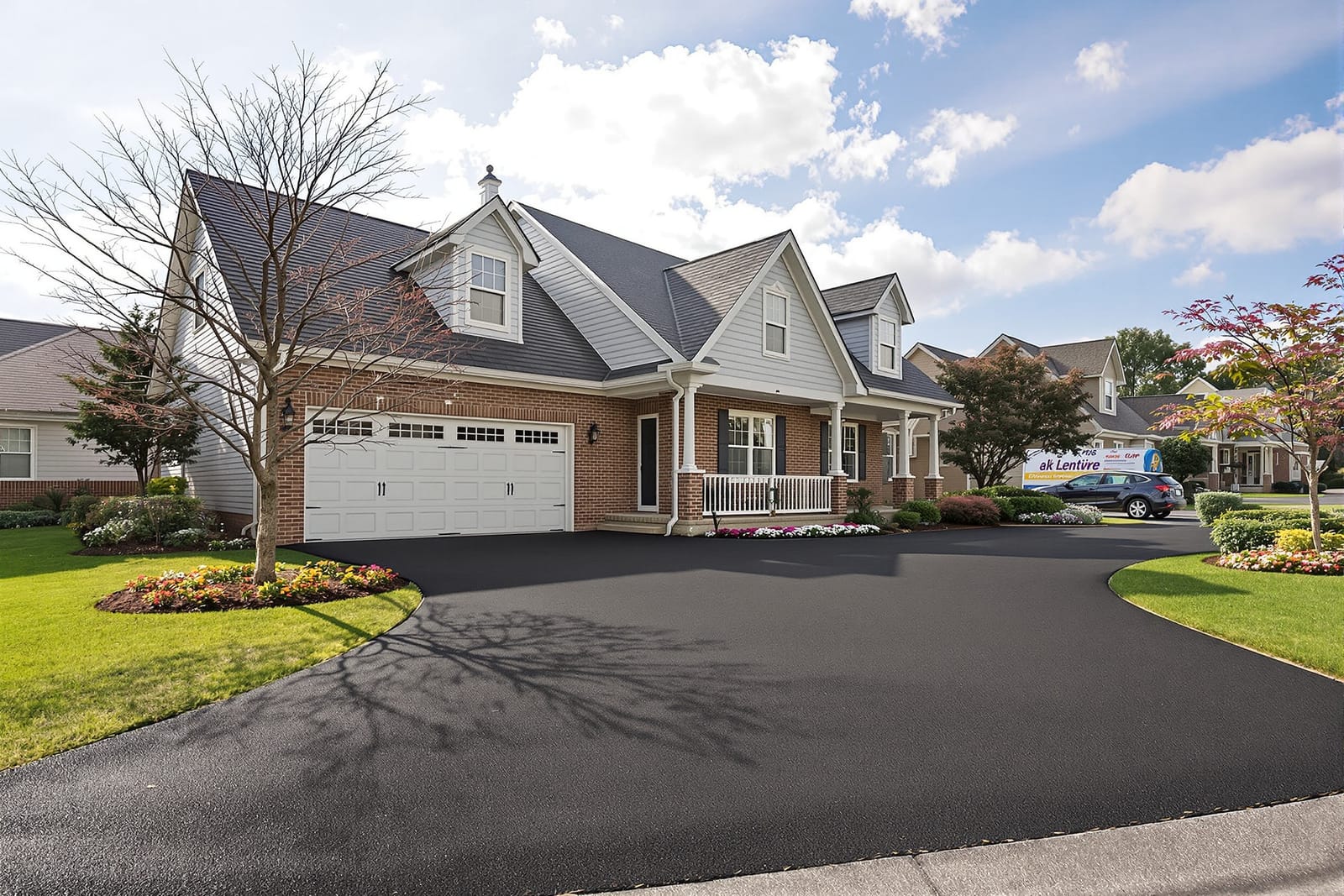
Restore the safety and appearance of your home with professional asphalt driveway repair in Norfolk, VA. We fix cracks, potholes, and sinking areas with proven methods. When a driveway is too damaged, we offer full replacement and fresh blacktop. Get a detailed driveway assessment and estimate at no cost.
Precision Asphalt Norfolk provides professional asphalt driveway repair throughout Norfolk, VA, Virginia and the surrounding area. Our licensed, insured crew delivers safe, clean, on-time work with a free estimate before anything begins. Call (757) 908-3635 or request your free quote.
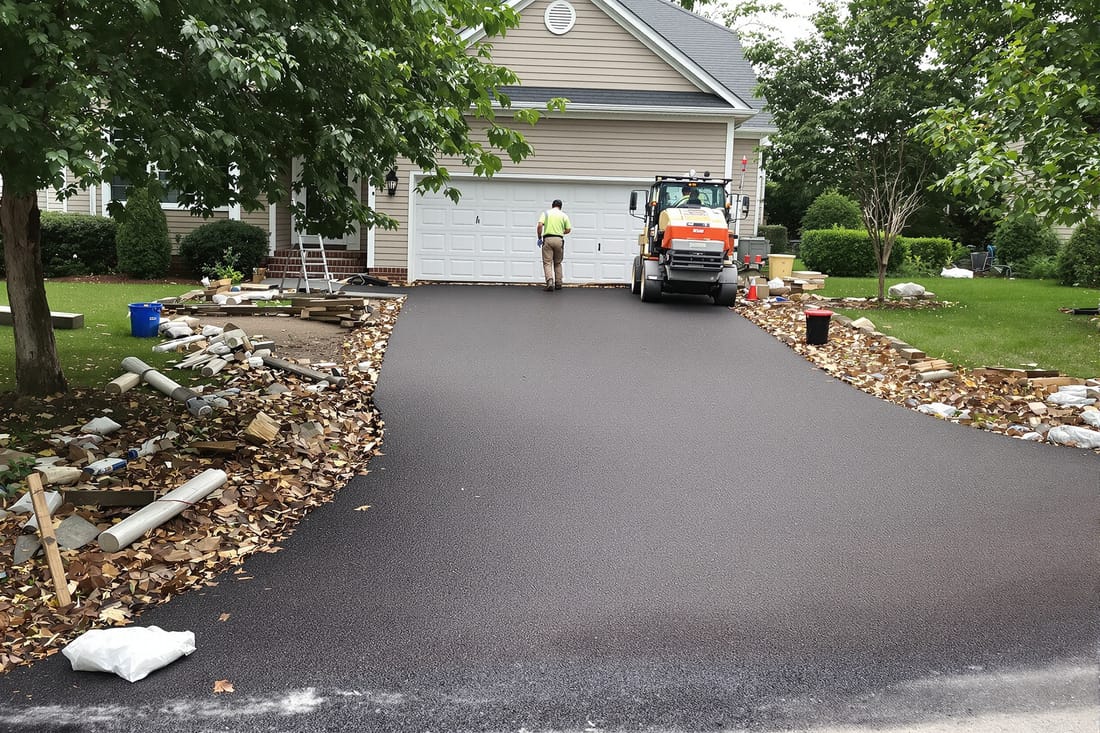
Asphalt driveway repair in Norfolk that actually fixes the problem
If your driveway in Norfolk is cracking, rutted, or collecting puddles after every storm, you do not need a sales pitch, you need honest options. Precision Asphalt Norfolk focuses on asphalt driveway repair and replacement that matches the way driveways actually age in our climate: heat, humidity, sudden downpours, and the occasional freeze.
On this page, we lay out what we can repair, when replacement makes more sense, and what the real process looks like at your home. No vague promises. We explain how we handle base failures in Tidewater soils, what kind of asphalt mix we use for residential driveways in Norfolk, and how to time the work around our weather so it cures correctly and lasts.
Whether you just have a few growing cracks or a driveway that is sinking toward the street, we look at drainage, base stability, and traffic load before quoting any work. That way we are fixing the cause, not just the surface.
Common Norfolk driveway problems and how we tackle them
Driveways in Norfolk see a mix of hot sun, heavy rain, and standing moisture. Over time, that combination creates a few predictable problems:
Cracking and raveling: Fine surface cracks, alligator cracking, and loose aggregate show up when the surface oxidizes or the base is moving. For light to moderate cracking, Precision Asphalt Norfolk cleans the area, uses hot crack sealant for active cracks, then applies patching material or a leveling course as needed. If the cracking is structural and widespread, it usually points to base failure, which is a replacement issue.
Potholes and sink spots: Water working through small cracks, especially around the edges or along the driveway center, will wash fines out of the base and lead to potholes or depressions. A proper repair is not just filling the hole. We cut out the damaged section in a square or rectangle, excavate softened base material, reinstall and compact new stone to the correct depth, then patch with hot mix asphalt and compact it flush.
Edge breakup: In many Norfolk neighborhoods, driveways were installed with thin edges and minimal base. Vehicle wheels running near the edge cause crumbling. We typically saw cut a straight line inside the damage, remove the broken section, rebuild the base with proper width, then tie in new asphalt with good compaction. In some cases we also recommend adding a concrete or paver edge restraint to prevent repeat failure.
Drainage and low spots: Flat yards and high water tables are common here. If your driveway holds water after every summer storm, the surface will weaken faster. Depending on the situation, we may mill or grind a shallow area to create proper slope, install a trench drain or channel drain, or rebuild low areas with a compacted leveling course so water moves to the street or a swale instead of sitting on the pavement.
Our step by step asphalt driveway repair process
When we repair an asphalt driveway in Norfolk, we follow a clear sequence so the fix is solid, not just cosmetic.
1. Inspection and measurement: We walk the entire driveway, mark out each damaged area, probe soft spots, and look at how water moves across and off the surface. We also note thickness of existing asphalt where it is visible and identify any tree root intrusion or utility conflicts.
2. Choosing repair methods: Minor linear cracks get hot applied crack sealant. Block cracking or surface wear may call for a thin overlay. Localized failures need saw cut patches. Widespread structural issues often mean milling or full replacement. We explain each option, the expected lifespan, and cost implications before any work starts.
3. Site preparation: For patching, we saw cut clean edges, remove broken material, and haul it off site for recycling. For overlay work, we clean the surface thoroughly using brooms and blowers to remove dust and debris. Oil spots are treated with primer so they do not bleed through and weaken the new asphalt.
4. Base repair and compaction: Any yielding or pumped areas are excavated to stable soil. We install a compacted base stone layer (typically a crusher run or similar material) to the depth that supports residential traffic. Each lift is compacted with a plate compactor or roller so the base is tight and uniform.
5. Asphalt placement: For patches and overlays, we use hot mix asphalt delivered from a local plant, chosen for residential use, with an aggregate size and binder content suited to driveways. We spread it to the specified thickness, making sure transitions to the street, sidewalk, or garage slab are smooth and do not create trip edges.
6. Compaction and finishing: A roller or plate compactor is used in multiple passes to reach proper density. Joints between old and new pavement receive tack coat ahead of time so the bond is strong. We check for proper slope toward drains or the street, then rope off or cone off the area so it can cool and set without tire marks.
7. Cure and aftercare: In Norfolk heat, driveways usually can be driven on within 24 to 48 hours depending on temperature and thickness. We provide written guidance on when to park heavy vehicles, how to avoid scuffing in the first weeks, and if sealcoating is appropriate down the road.
When repair is not enough and full replacement makes more sense
There is a point where patching and spot repairs are just throwing money at a failing driveway. Precision Asphalt Norfolk is upfront about where that line usually is.
If more than about one third of the surface shows alligator cracking, or large sections feel soft underfoot even after rain has drained, the base is usually compromised. Norfolk's clay based soils and high water table mean trapped moisture under the pavement will keep weakening it. In that situation, a full replacement, sometimes called remove and replace, gives you a much better return than years of chasing new cracks.
Our replacement process typically includes:
1. Full removal: We mill or demolish the existing asphalt and haul it away for recycling. This exposes the old base so we can see what is going on.
2. Subgrade correction: Soft, pumping, or organic soils are excavated and replaced with suitable material. In some parts of Norfolk, especially near marshy areas, we may recommend a thicker stone base or fabric reinforcement to separate the clay from the base.
3. New stone base: We install and compact graded stone in layers to the depth required for your traffic. For most residential driveways we target 4 to 6 inches of compacted stone, more if you routinely park heavy vehicles or work trucks.
4. Asphalt paving: A new asphalt surface course is placed, typically 2.5 to 3 inches compacted thickness for home driveways. We set slopes to move water to the street or yard without sending it toward your foundation or garage. Transitions to city streets in Norfolk follow city apron standards where applicable.
5. Joint detailing: At the garage floor and sidewalks we take extra care to set the final surface height correctly so doors clear, there is no step, and water cannot run back toward the structure.
A full replacement costs more upfront, but if the base is failing it gives you a clean slate and usually a much longer service life than repeated patch jobs.
What affects cost and timing in Norfolk, Virginia
Homeowners often ask for a ballpark price per square foot, but the honest answer is that local conditions drive driveway repair and replacement costs as much as size.
Key cost factors include:
Base condition: A driveway that only needs crack sealing and a thin overlay costs far less than one that requires excavation and a new base. Areas of pumping clay or organic material need more excavation and stone, which adds both labor and material.
Thickness and access: Adding an inch of asphalt across a long driveway is a significant amount of material. Tight access in older Norfolk neighborhoods, narrow side yards, or limited truck maneuvering room can increase labor since we may have to move material with smaller equipment.
Drainage corrections: If we have to add a trench drain, adjust grades significantly, or cut and tie into city curb, that shows up in the price. In many Norfolk homes with low garages, getting the drainage right is essential and not an area to skimp.
Season and weather: Norfolk's climate allows paving most of the year, but summer heat and afternoon storms matter. We schedule work so enough time and temperature are available to place and compact the asphalt properly. In cooler months, we are stricter about start times and mix temperature so density is not compromised. Rush jobs in marginal conditions can lead to problems later, so we would rather schedule carefully and do the job once.
Tree roots and utilities: Roots from large oaks and other mature trees are common here and can heave or crack asphalt. Removing or bridging roots properly takes extra effort. Gas lines, water services, and irrigation near the drive also affect how deep we can excavate and may require hand digging in sections.
Why choose Precision Asphalt Norfolk and how to move forward
There are plenty of contractors who can spread asphalt on a driveway. The difference with Precision Asphalt Norfolk is that we approach each driveway as a structure, not a coating. Your subgrade, stone base, drainage, and traffic profile all inform the repair or replacement plan.
We also focus locally. Our crews work all over Norfolk and nearby Tidewater cities, so we know which neighborhoods have poor native soils, which areas are prone to standing water, and how city aprons and tie ins need to be handled. That experience shows up in details like setting the right slope at the sidewalk, planning work around school and work traffic on tight streets, and choosing mix designs that hold up to our summers.
When you contact us, we typically schedule a site visit, not just a quote based on a photo. During the visit, we:
• Walk and mark the driveway, noting every defect and potential cause.
• Discuss how you use the driveway: vehicles, parking patterns, and anything planned for the future like RVs or trailers.
• Explain repair and replacement options with straightforward pros, cons, and estimated lifespans.
You then receive a written proposal that outlines scope, thicknesses, base work, and clean up. No vague line items. If you approve it, we schedule the work around your calendar and the weather, set clear expectations for access and cure time, and keep you informed from start through final roll. The goal is simple: a driveway that drains correctly, looks clean, and holds up for years in Norfolk conditions, without surprises or shortcuts.