Home › Road, Street, and Municipal Paving
Support your community and developments with dependable road paving in Norfolk, VA. We construct and resurface streets, subdivision roads, and municipal routes. Our team manages grading, drainage, base stone, and asphalt lifts for long lasting performance. Contact us for bid ready pricing and project scheduling details.
Precision Asphalt Norfolk provides professional road paving throughout Norfolk, VA, Virginia and the surrounding area. Our licensed, insured crew delivers safe, clean, on-time work with a free estimate before anything begins. Call (757) 908-3635 or request your free quote.
Road Paving for Norfolk’s Climate and Traffic
Road, street, and municipal paving in Norfolk is different from paving a parking lot or driveway. Between tidal flooding, heavy bus routes, port traffic, and frequent freeze-thaw cycles, our roads take a beating. At Precision Asphalt Norfolk, we focus on road paving that holds up to real Norfolk conditions, not just what looks good on opening day.
When we look at a public road or subdivision street, the first thing we evaluate is what is already under the surface. Older Norfolk neighborhoods often have thin base layers over clay soils that stay wet, especially near the Elizabeth River and Lafayette River. If that base is not corrected, any new asphalt will crack and rut quickly. We take core samples when needed, check drainage patterns, and look for signs like alligator cracking and depressions that point to deeper structural issues.
For most city streets, we recommend a full-depth asphalt design or, at minimum, milling and strengthening the base course before installing a new surface course. Higher traffic routes near commercial corridors or industrial sites may need thicker asphalt lifts and stronger aggregates than a quiet residential cul-de-sac. Because we work almost entirely in the Norfolk and Hampton Roads area, we are familiar with the specific traffic patterns, soil types, and drainage problems that tend to show up here, and we design each road section accordingly.
How Road, Street, and Municipal Paving Actually Gets Built
A typical road paving job with Precision Asphalt Norfolk follows a clear sequence so you know what to expect and how long each step will take.
1) Field evaluation and measurements: We walk and drive the route, mark problem areas, measure cross slopes, and locate drainage issues, manholes, water valves, and utility cuts. This allows us to plan tie-in points and make sure water will run off the pavement correctly instead of pooling.
2) Milling or demolition: If the existing asphalt is in poor shape but the base is mostly sound, we often use cold milling machines to grind off 1 to 3 inches of the surface. For badly failed streets, we may remove the full asphalt depth. The milled material is typically hauled to an approved recycling facility or used as reclaimed asphalt pavement (RAP) in new mixes where allowed.
3) Subgrade and base repair: Once the old surface is removed, we find soft spots, wet pockets, and undermined areas. In Norfolk, these frequently occur near old utility trenches or low-lying edges that see regular ponding. We excavate unsuitable material, bring in compacted stone or cement-treated base, and use rollers to reach proper density so the new road will not settle.
4) Fine grading and slope adjustments: Before any new asphalt goes down, we shape the base to the required crown or cross slope. For a typical two-lane neighborhood road, that might be a 2 percent cross slope from centerline to gutter. Correct slopes are critical on Norfolk streets where hurricanes and nor’easters can dump several inches of rain quickly.
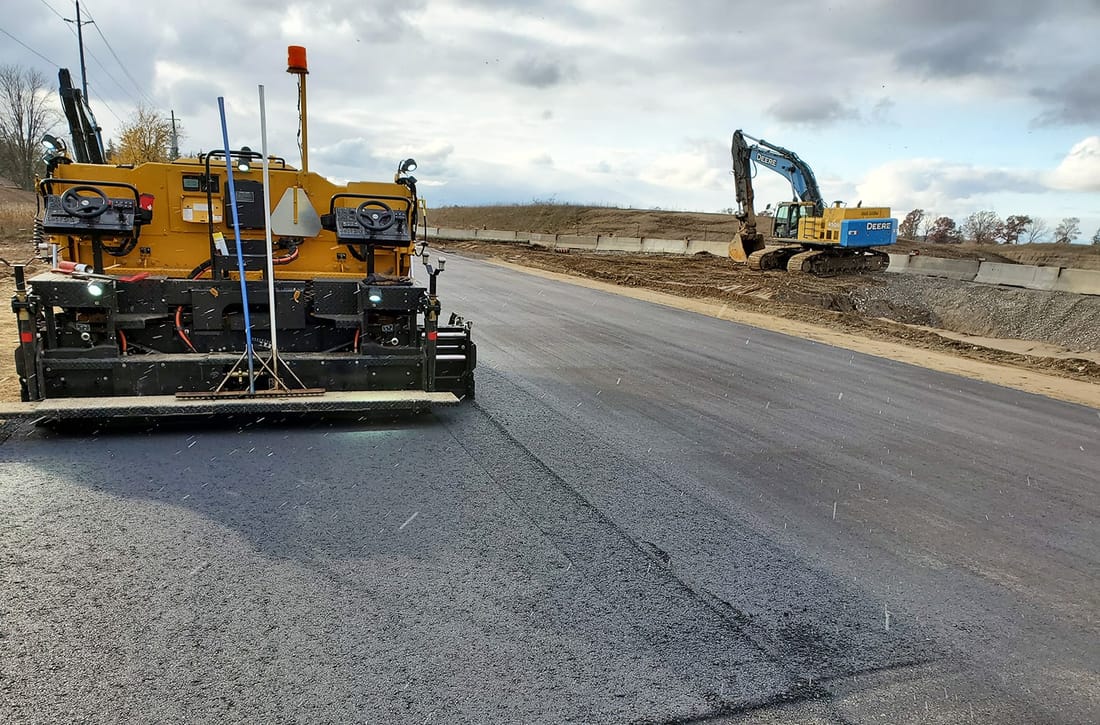
5) Asphalt placement in lifts: We usually install asphalt in at least two layers. The base course provides strength and is placed first, then the surface course provides a smooth, tight finish. On municipal streets we often use VDOT-approved mixes with specified aggregate sizes and binder contents, applied with a paver and compacted with steel drum and pneumatic rollers in a set rolling pattern.
6) Joints, tie-ins, and compaction checks: Where new asphalt meets existing roads, driveways, or manholes, we cut clean edges and seal joints to reduce water infiltration. Our crews check compaction with density gauges according to project specs so that the pavement meets required performance standards.
7) Cleanup, striping, and opening to traffic: After paving, we sweep, adjust utility castings if needed, and coordinate with striping crews for lane lines, crosswalks, and symbols. We typically reopen residential streets within hours, and higher volume roads once the asphalt has cooled enough to avoid scuffing under turning traffic.
Material Choices and Design Options for Norfolk Roads
Not every road in Norfolk needs the same asphalt mix or thickness. At Precision Asphalt Norfolk, we tailor the design to the street’s purpose, traffic, and budget.
For low-volume residential streets or HOA communities, we often recommend a mix that balances smooth ride quality with durability, using a surface course that resists raveling and minor fuel spills. On heavier use routes that serve bus lines, school traffic, port-related trucks, or emergency services, we may specify thicker asphalt sections and higher performance mixes to handle the additional loading.
Local climate also affects mix choice. Roads that see frequent standing water or tidal flooding might benefit from mixes designed for better moisture resistance, combined with careful joint sealing and drainage improvements. Near intersections and sharp curves, where vehicles brake and turn, we consider mixes and thicknesses that resist rutting and shoving.
We also look at long-term maintenance. In some cases, it is better to spend a little more up front for a stronger base and quality surface mix, then plan for periodic crack sealing and resurfacing, rather than repaving from scratch every 8 to 10 years. For municipalities and property managers, we can lay out a phased approach that targets the worst sections first and schedules future overlays so budgets are predictable instead of reactive.
If your project has unique requirements, such as bike lanes, bus pullouts, or traffic calming features, we coordinate with your engineer or designer to make sure the asphalt structure supports those features. We can adjust pavement markings, add colored surface treatments in certain cases, or build raised approaches around speed tables and crosswalks for better visibility and smoother driving.
Cost Drivers, Permits, and Working Around Norfolk Traffic
Road paving costs in Norfolk vary a lot from one project to another, and understanding what drives price helps you get clear, apples-to-apples proposals.
Key cost factors include total square footage and required asphalt thickness, access for equipment, how much milling or demolition is needed, and the amount of base repair that is likely once the old surface is removed. Roads that require traffic control on busy routes, night work near hospitals or major intersections, or coordination around shipyard and port schedules will usually cost more than a straightforward neighborhood street.
Material prices matter too. VDOT-approved mixes, higher performance binders, or thicker sections add cost, but they can reduce long-term maintenance. In many Norfolk streets, failing to fix subgrade issues is the most expensive mistake, because it leads to repeated patching and early repaving. We are transparent when we see a situation where cutting corners now will cause problems in just a few years.
Public roads and many private streets require permits, traffic control plans, and coordination with the City of Norfolk or other agencies. Precision Asphalt Norfolk can help you navigate permit requirements, lane closure rules, and inspection schedules so your project does not stall mid-way. We are used to working with city inspectors, HOA boards, and commercial property managers to line up approvals and keep everyone informed.
To minimize disruption, we often phase work so residents always have at least one way in and out. For bus routes and delivery corridors, we may recommend off-peak or nighttime work windows where noise rules allow. Before paving starts, we provide clear notices about access restrictions, alternate parking areas, and approximate completion times so drivers know what to expect.
What Norfolk Customers Should Check Before Hiring a Road Paving Contractor
For roads, streets, and municipal paving, the contractor you choose affects how your pavement looks and performs for many years. Here are a few things Norfolk customers should look at closely.
Ask for projects completed in the Norfolk or Hampton Roads area that are at least 3 to 5 years old. This shows how the pavement is holding up through multiple hurricane seasons and summers. Precision Asphalt Norfolk can point you to local streets and subdivisions we have paved so you can see our work in real conditions.
Make sure the contractor understands local drainage and soils. Roads in areas like Ocean View, Ghent, and Berkley face very different ground conditions. A one-size-fits-all paving plan can fail quickly in sections with poor drainage or high water tables. A careful contractor will talk about crown, cross slope, and base repair, not just “a new layer of asphalt.”
Review the proposed scope in detail. A thorough road paving proposal will describe milling depth, base repair allowances, asphalt mix types, lift thicknesses, compaction targets, and how joints and utility castings will be handled. It should also outline traffic control, resident communication, and the estimated schedule.
Insurance, licensing, and familiarity with VDOT and City of Norfolk specifications also matter. Road work affects public safety, so you want a contractor who keeps crews trained on work zone safety and follows proper testing and inspection procedures.
Finally, discuss maintenance expectations up front. Ask how long the road is expected to last before resurfacing is needed, what kind of routine crack sealing or patching is recommended, and what signs you should watch for that indicate it is time to plan the next overlay. Precision Asphalt Norfolk is always willing to explain these details and help you create a realistic long-term plan so the streets you manage stay safe, smooth, and cost effective to maintain.