Home › Commercial Gravel-to-Asphalt Conversions
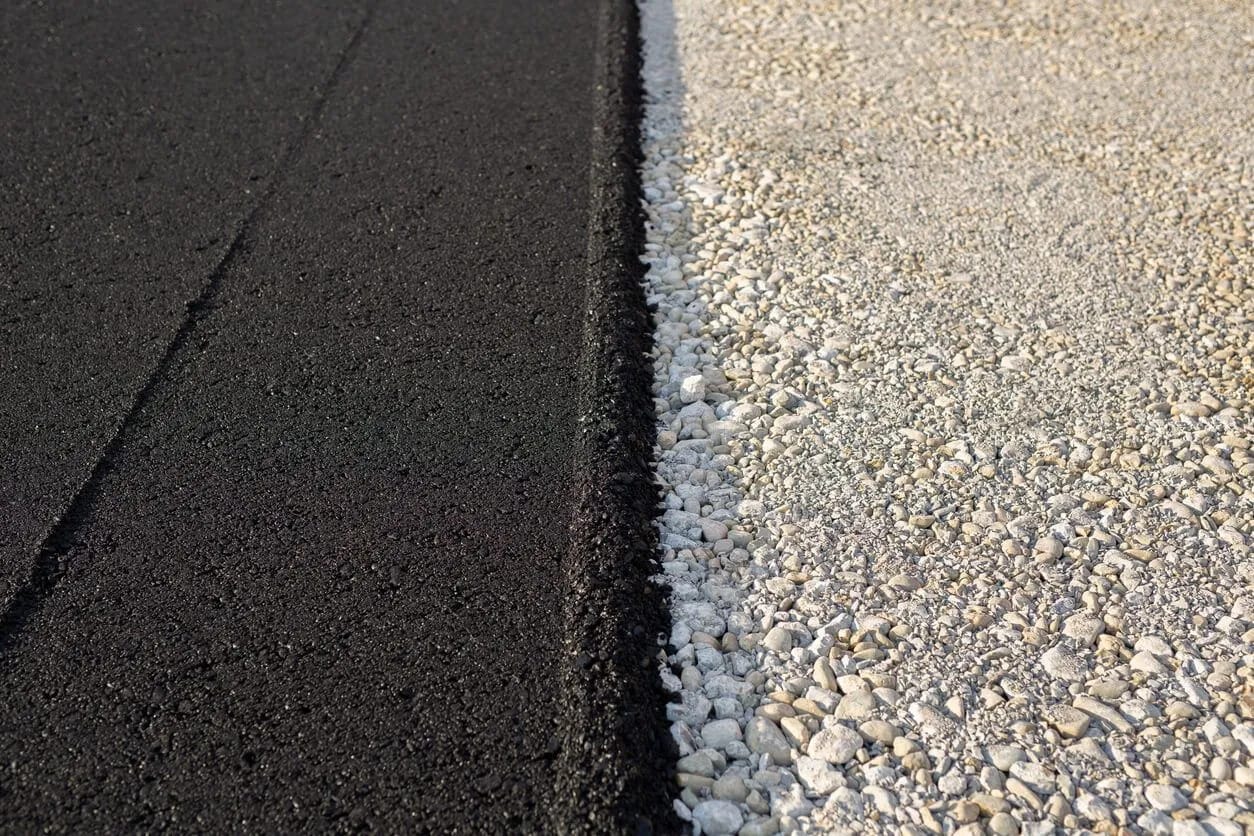
Transform rough, dusty surfaces with commercial gravel to asphalt conversions in Norfolk, VA. We upgrade gravel lots, drives, and access roads to durable blacktop. Proper grading and compaction create a stable base that supports heavy traffic and drainage. Request a site review and cost breakdown for your conversion project.
Precision Asphalt Norfolk provides professional commercial gravel to asphalt throughout Norfolk, VA, Virginia and the surrounding area. Our licensed, insured crew delivers safe, clean, on-time work with a free estimate before anything begins. Call (757) 908-3635 or request your free quote.
Commercial Gravel-to-Asphalt Conversions for Norfolk Properties
If you are tired of dust, potholes, and washouts on your commercial gravel lot, Precision Asphalt Norfolk converts gravel to asphalt with a process built for Norfolk traffic and weather. We work on retail centers, office parks, warehouses, churches, multi-family complexes, and industrial yards throughout Norfolk, VA.
A commercial gravel to asphalt conversion is not just adding blacktop on top of stone. Done correctly, it means evaluating your existing gravel base, correcting drainage problems, and building an asphalt pavement structure that can handle your specific vehicle loads and turning patterns. Our approach focuses on the long-term performance of your lot, not just getting a quick layer of asphalt down.
We know local conditions: coastal moisture, occasional tidal flooding, and summer heat all affect how your pavement behaves. That is why we pay close attention to base compaction, elevation at entrances, and how water moves toward city inlets or on-site drainage. Precision Asphalt Norfolk handles the project from initial site review through final striping so you have a clean, marked, and ready-to-use asphalt surface.
Site Evaluation, Drainage, and Base Preparation
The most important part of a successful gravel to asphalt conversion is the base. Before we quote or begin work, Precision Asphalt Norfolk performs a site evaluation of your lot. We check gravel thickness, soft spots, existing ruts, standing water areas, and access grades to city streets and loading areas.
Norfolk soils can include clay pockets that hold water. If we see pumping (mud rising through gravel under truck traffic) or deep ruts that return shortly after grading, we know the subgrade needs attention. Our crews will undercut those areas, install new stone, and compact in controlled lifts to create a stable foundation.
Drainage is a major cost driver and performance factor. We check how water flows during heavy rain and compare your site to city curb lines, catch basins, and swales. Solutions can include regrading slopes, adding or adjusting swales, installing or resetting drain basins, and sometimes installing underdrain pipe in persistently wet areas. A gravel lot can tolerate small drainage defects, but asphalt cannot. We correct those issues before paving so you do not end up with premature cracking and potholes.
Once drainage corrections are complete, we fine grade and compact the gravel base using vibratory rollers suited to the lot size and access. We typically target at least 4 to 8 inches of compacted aggregate for commercial use, more in heavy truck areas. We proof-roll the base with a loaded truck or roller to reveal any hidden soft spots before asphalt is placed.
Asphalt Design, Thickness, and Material Options
Commercial gravel to asphalt projects in Norfolk are not one size fits all. Precision Asphalt Norfolk designs pavement sections around your specific use: car-only parking, mixed use with box trucks, or heavy-duty lanes for semis and dumpsters.
For light duty parking with passenger vehicles only, we typically recommend a 2.5 to 3 inch total asphalt thickness in two lifts on top of a properly compacted stone base. The lower lift (binder course) provides structure and the surface lift provides a smooth, tight finish. For mixed traffic including small delivery trucks, we increase thickness or upgrade the binder to a heavier-duty mix.
For heavy-duty use, such as dumpster pads, loading docks, or drive lanes where tractor trailers turn, we may recommend thicker asphalt in those areas or even reinforced concrete pads tied into surrounding asphalt. This targeted approach keeps overall project costs controlled while strengthening the high-stress zones where failures usually start.
We use Virginia Department of Transportation (VDOT) approved mixes adapted for local commercial use. In coastal Norfolk, we lean toward mixes that balance flexibility with rut resistance, which helps the pavement survive summer heat and slow turning traffic. During planning, we explain the mix types, lift thicknesses, and joint layouts so you know exactly what is going under your customers' and trucks' tires.
Conversion Process: From Gravel Lot to Finished Asphalt
When it is time to convert your gravel lot, Precision Asphalt Norfolk sequences the work so your business operations are disrupted as little as possible. We can divide larger lots into phases so part of the parking remains open while we work on the rest.
The typical process starts with stripping and relocating any wheel stops, signs, and portable structures. We then perform final grading of the gravel, address soft spots, and compact the base. If utility lids or drain structures are present, we adjust them to the planned new asphalt grade.
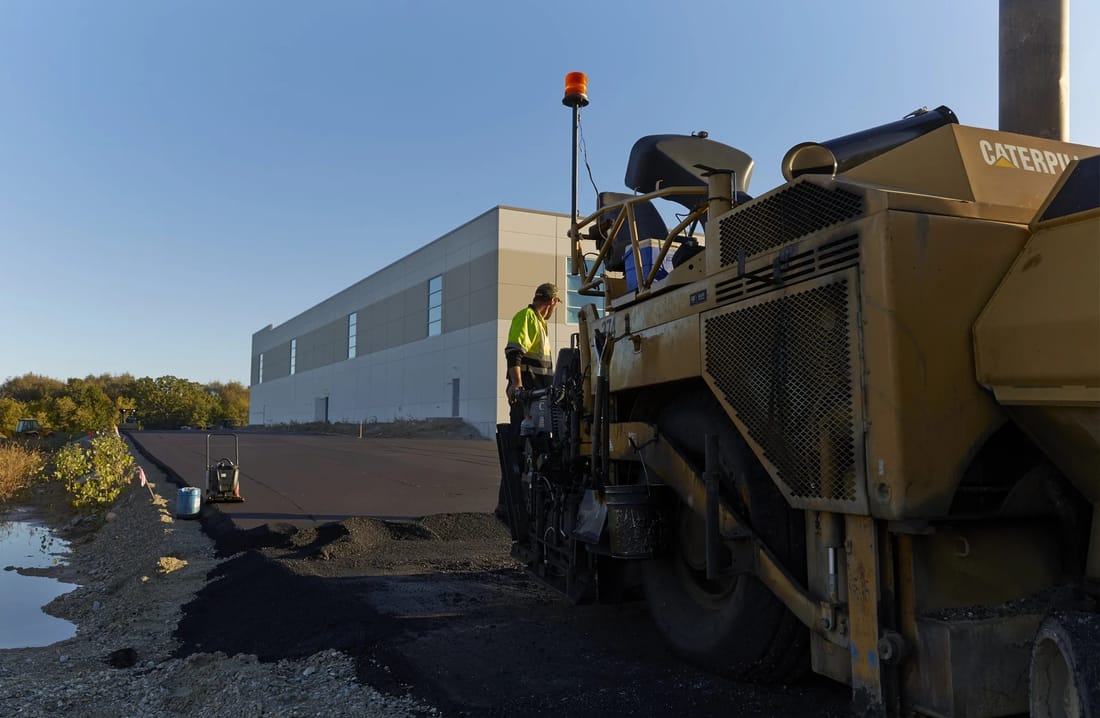
Next we apply a tack coat where needed to promote bonding between asphalt layers or between old and new asphalt at tie-in points. Then we place the binder course with a paver to achieve a consistent thickness. Our crews compact it with steel drum and pneumatic rollers, paying attention to joints and edges where future cracking often begins.
After the binder cures, we install the surface course. We monitor temperature and roller timing closely, especially in cooler months or on shaded sites, to ensure proper compaction. Edges are trimmed and compacted so they do not unravel under traffic. Once the asphalt has cooled sufficiently, we apply pavement markings, accessible parking symbols, fire lanes, and traffic arrows according to your site plan and local code.
If your lot needs signage, wheel stops, or bollards, we reinstall or replace them after striping. Before we leave, we walk the site with you, review drainage behavior after the first rain when possible, and provide guidance on when to open areas to traffic.
Scheduling, Weather, and What Norfolk Owners Should Expect
In Norfolk, the best window for commercial gravel to asphalt conversions typically runs from late March through early November. Warm ground and air temperatures help asphalt compact correctly and seal tightly, which adds years to pavement life. We can work outside that window for smaller projects, but may limit work to mid-day when temperatures are acceptable.
For coastal properties or low-lying sites, we keep an eye on tide charts and storm forecasts. We avoid paving just before heavy multi-day rain events because saturated subgrades can lead to premature issues. If your property has a history of tidal or storm flooding, let us know during the estimate so we can plan elevations and drainage accordingly.
During construction, you can expect some noise and temporary access changes. Precision Asphalt Norfolk provides a clear schedule and phasing map when needed so your staff, tenants, and customers know where to park each day. Many clients choose to schedule the most disruptive work during evenings or weekends, especially at churches, medical offices, and retail centers. We coordinate this with you in advance.
Once the asphalt is in place, we typically recommend keeping heavy traffic off new pavement for at least 24 hours in warm weather, longer if temperatures are cooler. We advise against turning heavy trucks sharply in the same spot for the first week, particularly during hot afternoons, to reduce the chance of early scuffing in tight turning areas.
Cost Drivers, Common Problems, and Long-Term Care
The price of a commercial gravel to asphalt conversion in Norfolk is driven mainly by three factors: base condition, drainage corrections, and required asphalt thickness. A flat gravel lot that drains reasonably well and has a solid stone base will be less expensive to pave than a rutted, low-lying site that holds water and sees heavy truck use.
Base repair can involve additional stone, undercutting soft areas, proof-rolling, and sometimes installing underdrain. Drainage work might include grading toward existing city inlets, adding new catch basins, or raising the lot elevation in low points. Precision Asphalt Norfolk separates these costs on our proposals so you can see exactly where your budget is going.
Common problems we are called to fix on previously converted lots include ponding water, early cracking at edges, and rutting in truck lanes. These usually trace back to inadequate base preparation, thin asphalt in heavy-use areas, or ignoring drainage during the original conversion. When we design your project, we point out any risk areas so they are dealt with before paving, not after.
After your gravel to asphalt conversion is complete, plan for simple maintenance. Keep drains clear, have cracks sealed before winter, and consider sealcoating on a reasonable cycle for appearance and added surface protection. If your site has frequent delivery trucks or trash trucks, we may recommend a periodic inspection schedule so small issues are addressed before they become structural failures.
By approaching commercial gravel to asphalt work as a long-term investment, Precision Asphalt Norfolk helps Norfolk property owners reduce dust and maintenance, improve curb appeal, and create a safer, more professional surface for customers and employees.