Home › Industrial and Heavy-Duty Asphalt Paving
Handle heavy traffic and loads with industrial asphalt paving in Norfolk, VA. We build reinforced surfaces for truck yards, loading docks, and warehouses. Thicker asphalt lifts and strong base structures resist rutting and damage from constant equipment use. Request an engineered paving solution and quote for your site.
Precision Asphalt Norfolk provides professional industrial asphalt paving throughout Norfolk, VA, Virginia and the surrounding area. Our licensed, insured crew delivers safe, clean, on-time work with a free estimate before anything begins. Call (757) 908-3635 or request your free quote.
Industrial Asphalt Paving for Norfolk’s Hard-Working Sites
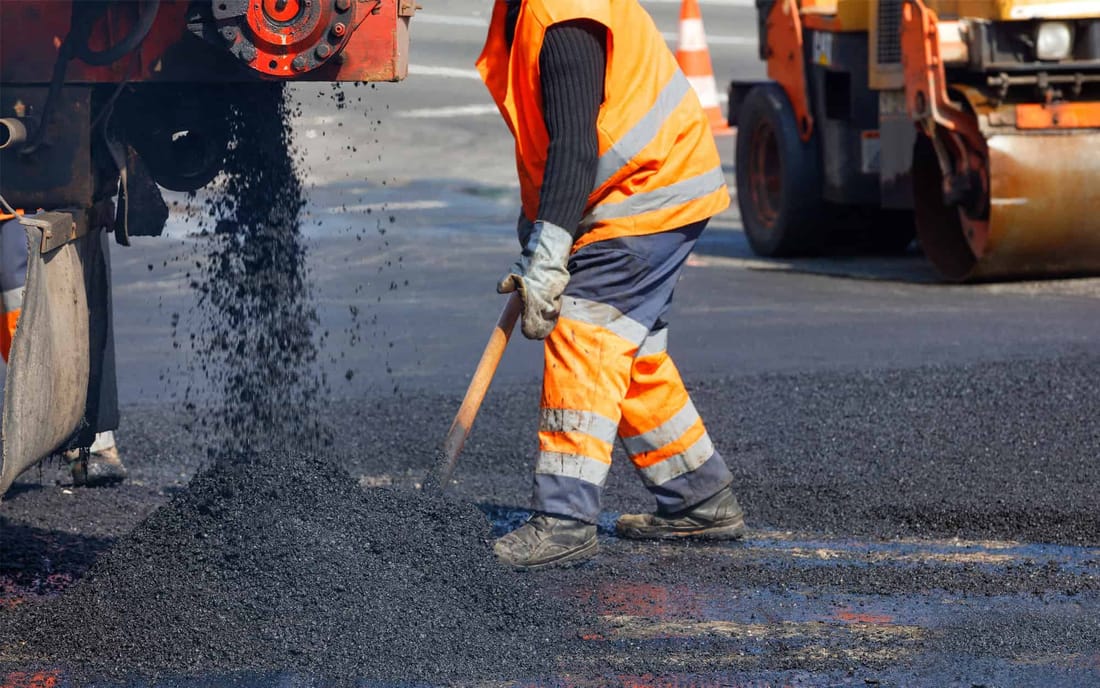
Industrial and heavy-duty asphalt paving is fundamentally different from paving a neighborhood driveway or a small parking lot. At Precision Asphalt Norfolk, we design and build asphalt surfaces that carry loaded tractor‑trailers, forklifts, cranes, container stacks, and constant turning movements without rutting or breaking apart. Our team focuses on industrial sites across Norfolk and the surrounding Tidewater area, including port facilities, distribution centers, plants, shipyards, fuel depots, and municipal yards.
Local conditions matter. Norfolk’s mix of port traffic, heavy naval logistics, and variable soils means we see a lot of early rutting where trucks stop and start, fatigue cracking from repeated container loads, and drainage failures around loading docks. Our approach is to design each pavement structure around your actual axle loads, turning patterns, and soil conditions on your specific site, not a generic template pulled from a book.
Site Evaluation and Heavy-Duty Pavement Design
A proper industrial asphalt paving project starts with evaluation, not the paver. When Precision Asphalt Norfolk visits your site, we identify where the heaviest loads concentrate, how traffic flows, and what the subgrade is capable of supporting.
We look at:
• Existing pavement condition, including alligator cracking, ruts, oil damage, pumping at joints, and settlement at dock doors.
• Subgrade and base quality, which in Norfolk often involves silty or marsh-influenced soils that retain water.
• Drainage paths, standing water, and how often splash or tidal influences affect your yard, especially near the Elizabeth River and low-lying areas.
• Traffic types and counts, such as loaded 18‑wheelers, yard jockeys, forklifts, and container handlers.
From there we design a pavement structure that might include soil stabilization, a thicker stone base, and one or more asphalt lifts with industrial-grade mixes. We apply Virginia DOT and industry design methods, but we fine-tune for your actual site based on real wheel paths and turning radii, not just “average” conditions.
Subgrade Preparation and Stabilized Base Installation
For heavy-duty asphalt to last, the structure underneath it must be right. Many of Norfolk’s industrial properties sit on fill or naturally soft soils. If that subgrade moves or pumps water, the strongest asphalt on top will still fail.
Precision Asphalt Norfolk starts with stripping unsuitable material, shaping the subgrade, and compacting it to a specified density. In areas with weak or wet soils, we may stabilize the subgrade using lime, cement, or engineered aggregate to improve bearing capacity. This step reduces future rutting and settlement where trucks queue or containers are stored.
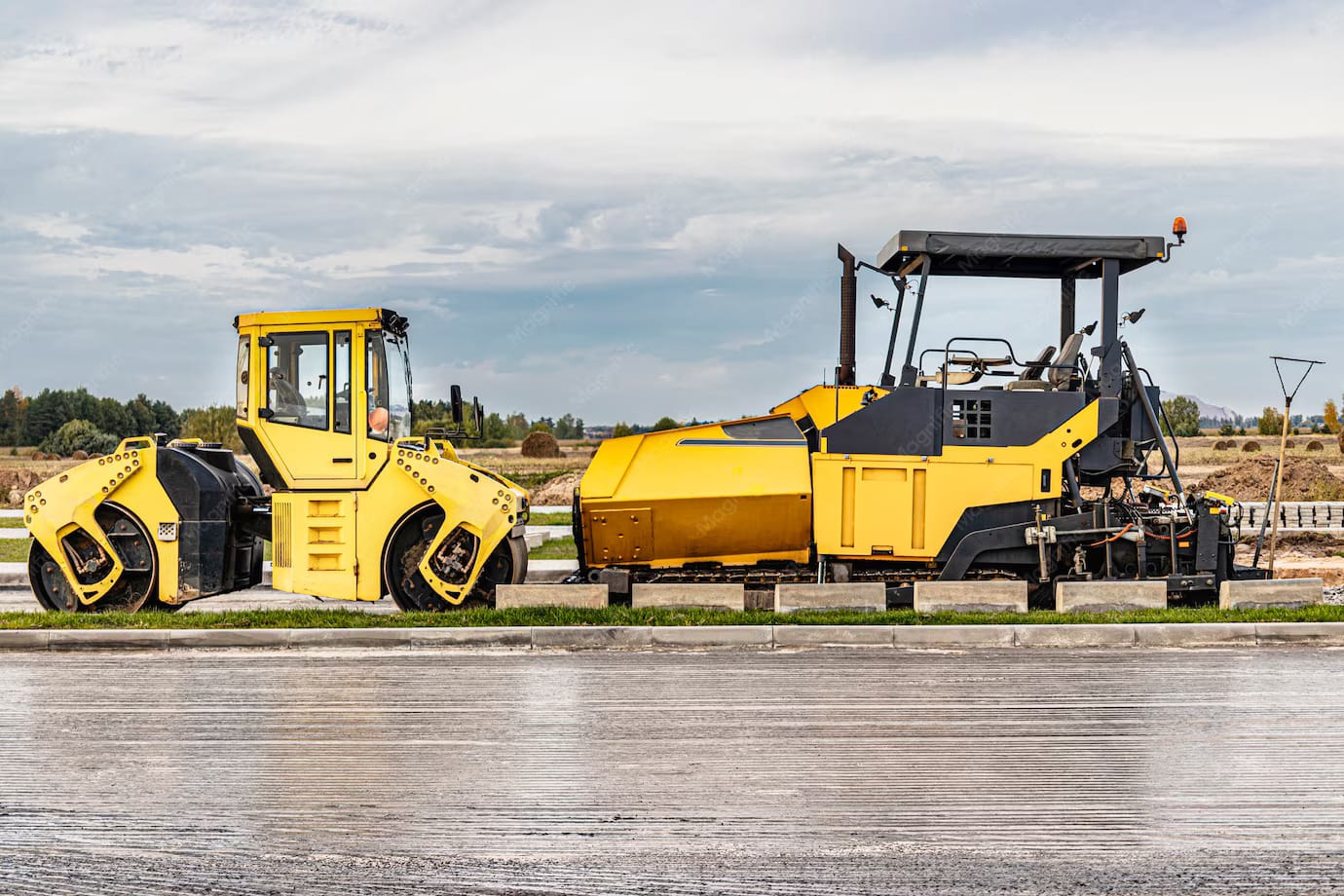
On top of the prepared subgrade, we install an aggregate base, typically a VDOT-approved stone. For true heavy-duty zones such as loading docks, container stack lanes, dumpster pads, and fuel delivery areas, we often increase base thickness compared to standard commercial lots. We compact the base in multiple passes using vibratory rollers and proof-roll the surface with loaded trucks when appropriate. Any deflection or “soft spots” we see during proof rolling are cut out and fixed before asphalt is ever placed.
Industrial Asphalt Mixes, Lift Thickness, and Compaction
The asphalt itself is customized for industrial service. Instead of a one-size-fits-all mix, Precision Asphalt Norfolk uses job-specific industrial asphalt paving designs that factor in load cycles, climate, and the risk of fuel or chemical exposure.
Typically, a heavy-duty section may include:
• A base asphalt course with larger aggregate and higher stiffness to carry load.
• An intermediate course to transition loads and tie the structure together.
• A surface course designed for skid resistance, durability, and resistance to shearing where trucks turn sharply.
In high-shear zones, such as at gates, tight corners, or the approach to dock ramps, we may specify mixes with modified binders or higher stone content to reduce shoving and rutting. Each lift is placed at a controlled thickness and compacted to a target density using a combination of steel drum and pneumatic rollers. In Norfolk’s humid conditions, we watch cooling times closely so density is achieved before the mat sets. Proper compaction is what makes an industrial pavement resist fuel drips, moisture infiltration, and load‑induced cracking over years of service.
Drainage, Joints, and Edge Reinforcement for Heavy Loads
Water is one of the main reasons industrial pavements in Norfolk fail sooner than they should. Our designs focus heavily on drainage so your asphalt does not sit in standing water after every thunderstorm or coastal system.
We establish positive slopes away from buildings, docks, and storage areas, then tie those slopes into catch basins, trench drains, or swales that fit your site layout. Around inlets, we reinforce the pavement structure to handle the repeated loading and braking that typically occur near drainage structures.
Edge support is equally important. Heavy trucks running near unsupported asphalt edges will cause cracking and breakoff. Precision Asphalt Norfolk uses wider stone bases, edge strengthening, or transitions to concrete at critical edges, such as dumpster pads, gate entrances, and areas where trailers back off the pavement. We also pay attention to construction joints between new and existing asphalt or between asphalt and concrete, sealing those joints correctly to keep Norfolk’s frequent rain from entering and weakening the base.
Cost Drivers, Timelines, and Phased Construction Options
Industrial asphalt paving costs are driven less by square footage and more by structural requirements. The biggest cost factors our Norfolk clients should be aware of are:
• Required thickness of stone base and asphalt lifts based on truck loading and frequency.
• Subgrade improvement needs, including removal of unsuitable soil and any stabilization.
• Drainage structures and tie-ins to existing storm systems.
• Use of modified binders or specialty mixes for fuel- or chemical-exposed areas.
Precision Asphalt Norfolk builds realistic budgets that separate “must have” structural work from optional upgrades so facility managers can make informed decisions. On active industrial sites, we frequently phase construction to keep operations running. That may mean paving in sections, scheduling high-impact work on nights or weekends, or creating temporary access lanes for trucks. Our crews coordinate with your dispatch or operations team so that plant throughput and port or warehouse schedules remain as uninterrupted as possible during the project.
Maintenance, Rehabilitation, and How to Choose an Installer
Even an industrial-grade pavement needs a maintenance plan. For Norfolk facilities, that usually means routine crack sealing to prevent water intrusion, localized patching where equipment constantly turns in tight spaces, and periodic overlays in high-traffic lanes before structural failure occurs.
Precision Asphalt Norfolk offers condition assessments where we map distress types and recommend targeted repairs, rather than blanket replacement. In many cases, we can mill and overlay only the wheel paths where rutting occurs, reinforce isolated dock areas with thicker sections, or convert select zones to concrete if warranted by static loads such as long-term container stacking.
When you evaluate industrial asphalt paving contractors, ask about pavement design methods, subgrade treatment practices, and compaction targets, not just the final price per ton of asphalt. A low bid that cuts base thickness or skips stabilization will usually cost more in the long run through downtime and repeated repairs. Our team is prepared to show you design assumptions, section thicknesses, and compaction test results so you know exactly what is supporting your heavy equipment and truck traffic at your Norfolk, VA facility.