Home › Walkway and Pathway Paving
Create safe, clean walking routes with asphalt walkway paving in Norfolk, VA. We design and install smooth paths from driveways to doors, patios, and backyard areas. Asphalt offers a cost effective, low maintenance option for residential sidewalks and garden paths. Reach out today to discuss layout ideas and pricing.
Precision Asphalt Norfolk provides professional asphalt walkway paving throughout Norfolk, VA, Virginia and the surrounding area. Our licensed, insured crew delivers safe, clean, on-time work with a free estimate before anything begins. Call (757) 908-3635 or request your free quote.
Asphalt Walkway Paving in Norfolk, VA With Everyday Use in Mind
A well built asphalt walkway should feel solid underfoot, drain properly after a Norfolk thunderstorm, and hold up to years of daily use. At Precision Asphalt Norfolk, we design and install walkways and pathways that match how you actually move around your property, instead of forcing you into a one-size-fits-all layout.
Before we talk about asphalt thickness or edges, we walk the property with you. For a home, that might mean mapping the path from the driveway to the front door, around the side yard to trash can storage, or out to a backyard shed. For commercial and multi-family properties, it often includes ADA-accessible routes from parking to entrances, playground connections, or defined paths across large lots.
We pay close attention to how water already flows on your site. In Norfolk, with our low elevations and frequent heavy rain, this is not a minor detail. A walkway that traps water can become slick, heave in winter freezes, or push water toward your foundation. Our team looks at slopes, existing drainage, and nearby downspouts so your new path fits the way the property sheds water today, instead of fighting it.
How We Build Long-Lasting Asphalt Walkways and Paths
Walkway projects start with layout and excavation. After marking utilities, we cut and remove any existing concrete, pavers, or broken asphalt, then excavate to the depth needed for both the stone base and asphalt. For light foot traffic paths, this is usually 6 to 8 inches total depth, more for service paths where small equipment or carts will travel.
Next, we install a compacted stone base, typically a crushed aggregate that locks together when rolled. In Norfolk’s softer coastal soils, we pay special attention to base compaction to prevent settling. On clay or particularly spongy areas, we may recommend a geotextile fabric under the stone to keep the base from pumping into the soil over time.
Once the base is graded to the proper slope, we fine tune the surface to create a slight crown or consistent cross-slope so water runs off instead of standing. Then we place hot mix asphalt at a thickness appropriate for the use. Residential walkways usually receive 2 to 3 inches of asphalt after compaction, while commercial paths or maintenance routes may get an additional lift for strength.
Edges matter on walkways because they are more visible and more vulnerable than a wide parking lot. Where possible we key the edge of the asphalt slightly into the surrounding lawn or install a compacted shoulder. On paths near beds or mulched areas, we can coordinate with your landscaper or add a simple edge restraint to keep mulch from spilling onto the pavement and degrading the margins over time.
Design Options That Affect Appearance, Safety, and Budget
Asphalt walkway paving does not have to look like a miniature parking lot. Precision Asphalt Norfolk offers options that change how your path looks and performs without adding unnecessary cost.
Width is the first design choice. For a single person walking, 3 feet can work, but most homeowners prefer 4 feet so two people can walk side-by-side and strollers or carts fit comfortably. Commercial and multi-family properties may need 5 feet or more in key areas to meet accessibility standards and handle higher foot traffic.
Curves and alignment also affect cost and usability. A gentle curve around landscaping can make a walkway feel more natural and avoid future root damage. Sharp curves, tight S-shapes, and unnecessary turns add labor and edging work. We help you balance visual appeal with practical snow shoveling (when we do get winter weather), maintenance, and budget.
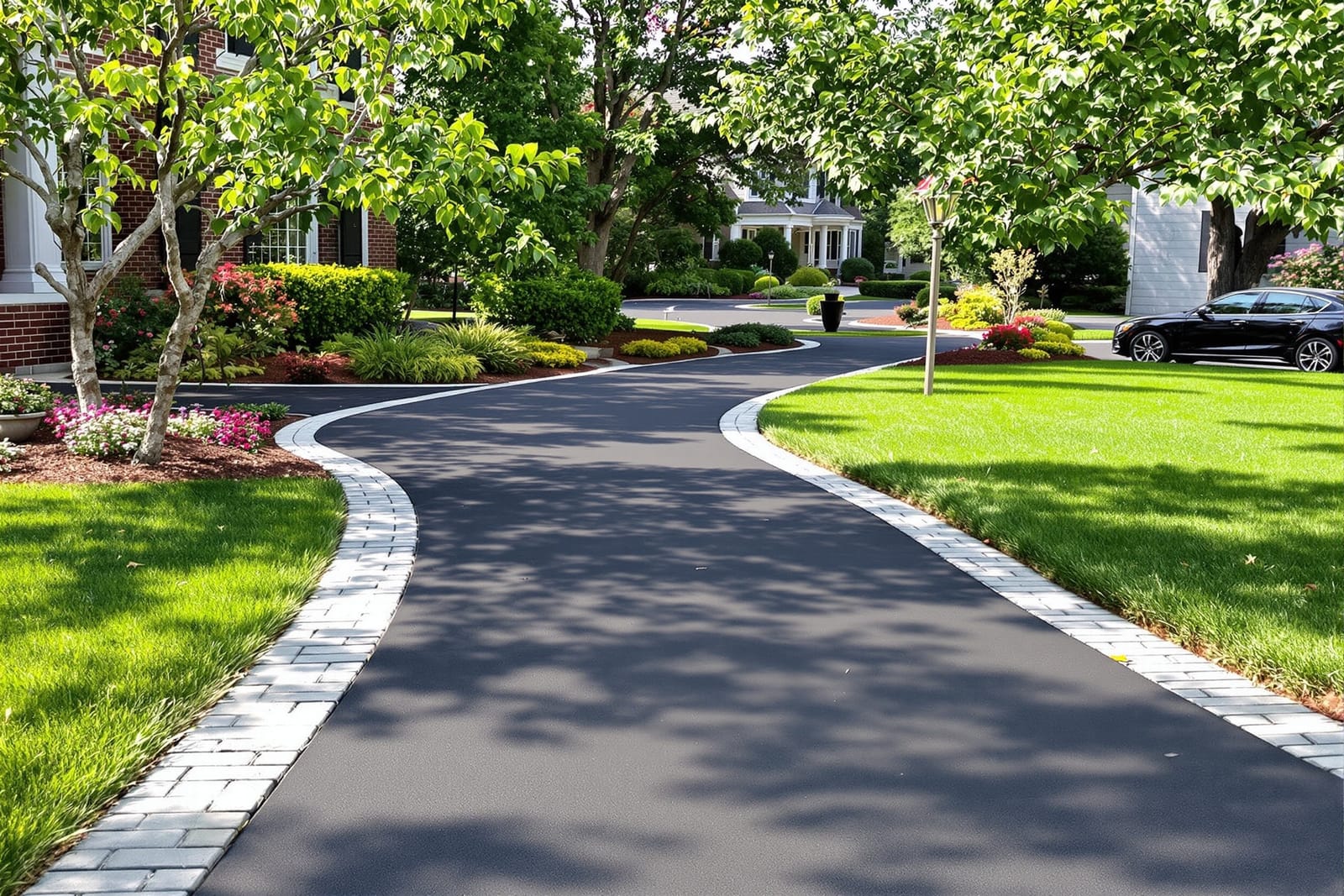
You can also choose surface texture and finish. A standard machine-laid finish provides a smooth, walkable surface. In shaded or consistently damp areas, we can recommend aggregate mixes and compaction approaches that provide better traction. For higher-end projects, we can coordinate with borders in brick or concrete to frame the asphalt path while keeping the main walking surface cost-effective and comfortable.
Color options are limited with traditional hot mix asphalt, but we can influence final appearance with the sand and stone blend and offer sealcoating choices that darken and even the look once the asphalt has cured.
Local Conditions in Norfolk That Influence Walkway Performance
Norfolk’s climate and soil conditions directly affect how asphalt walkways should be designed and scheduled. Our humidity, summer heat, and coastal storms all play a role.
For timing, late spring through early fall typically offers the best paving conditions. The ground is warmer, which helps the asphalt compact properly and bond to the base. We can and do pave outside these windows when weather allows, but for walkways in shaded or low-lying areas, we often suggest avoiding the coldest, dampest weeks so the surface is not stressed while it cures.
Our area’s frequent heavy rains mean drainage planning is critical. We factor in nearby tidal influences and streets that already flood in extreme events. While a walkway cannot solve neighborhood drainage issues, it should not make them worse. We use modest but consistent slopes, often in the 1 to 2 percent range, to move water to grass or beds instead of letting it sit on the surface.
Tree roots are another local concern, especially in older Norfolk neighborhoods with mature oaks and maples. Where a path must pass near existing trees, we may adjust alignment to stay outside primary root zones or increase base depth to reduce future heaving. For customers who know roots will be an issue long-term, we can discuss designing the path so small sections can be cut and re-laid in the future without tearing up the whole walkway.
What Drives the Cost of Asphalt Walkway Paving
Understanding what affects price helps you compare quotes fairly and avoid underbuilt work. Precision Asphalt Norfolk provides detailed estimates that show how your specific choices change the overall cost.
Project size and layout come first. Long, straight walkways are more efficient to build per foot than short, heavily curved paths with multiple tie-ins. Tight spaces that require handwork instead of machine paving also increase labor time. If your property has multiple small segments that need to connect, we may suggest combining some into a continuous run to reduce cost while improving usability.
Base work is the next major factor. On stable, well-draining ground, we may only need standard excavation and a typical stone base. On soft or wet soils, we may need deeper excavation, additional stone, or fabric. While that adds to the upfront cost, it prevents the more expensive problem of a walkway that settles or cracks in a few years.
Thickness and mix type also matter. A basic residential path with only foot traffic can use a slightly thinner section than a walkway that will see carts, light equipment, or emergency access vehicles. In some commercial settings, local codes or property standards may require a specific section design.
Access for equipment plays a role as well. If we can back a small paver or roller directly to the work area, the job is faster and less costly than when all material and equipment must be moved through narrow gates or around obstacles. During your site visit, we discuss staging and access so the estimate reflects real conditions, not wishful thinking.
Preparing for Your New Walkway and How We Work on Site
A smooth paving experience starts before the first piece of equipment arrives. Once you approve the plan, Precision Asphalt Norfolk confirms utility locations, checks weather windows, and reviews any special needs like school drop-off times, business hours, or access for tenants.
For homeowners, we typically ask that vehicles be moved away from the work area and that pets and children stay indoors or well clear while equipment is operating. If fencing, gates, or small shrubs must be temporarily removed to reach the work area, we discuss that with you ahead of time.
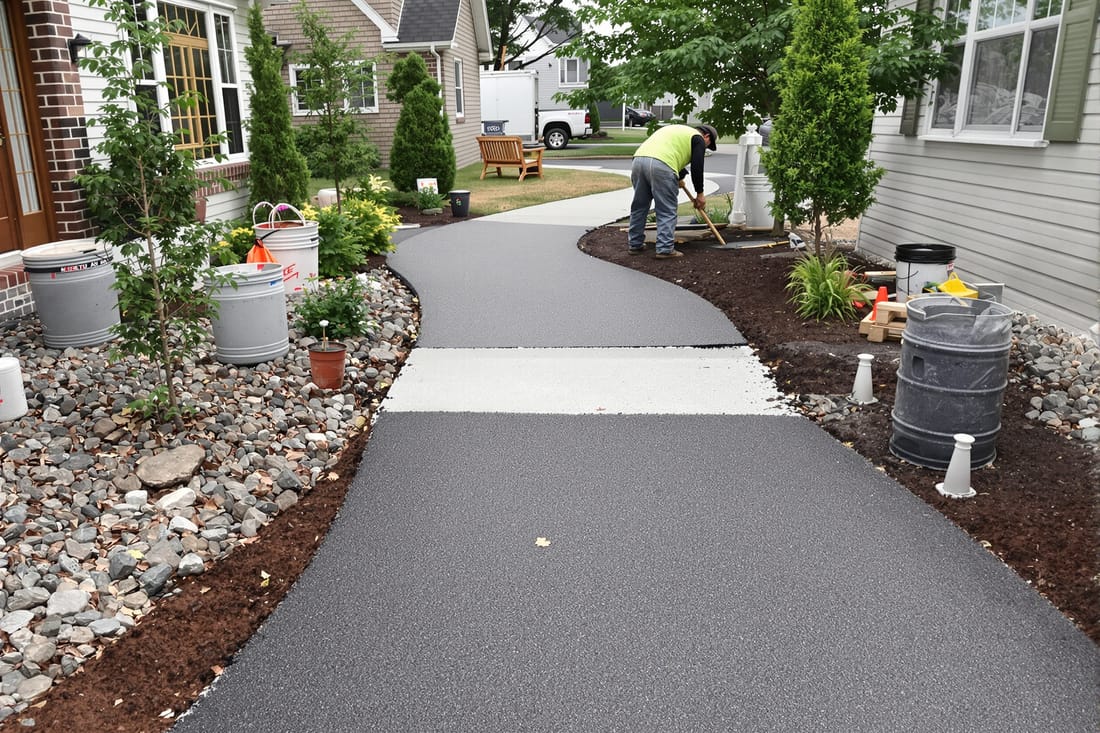
During installation, we keep disruption as low as possible. Crews focus on cleaning the subgrade, setting forms or guides where needed, building the stone base, and then placing and compacting the asphalt. Most residential walkways can be installed in one working day once excavation begins, depending on length and site conditions.
After paving, we advise customers to keep foot traffic off the new surface for at least 24 hours, longer in very hot weather when asphalt stays soft a bit longer. For commercial sites, we can phase work to maintain some access, use temporary routing, or schedule off-hours to reduce impact on business operations or residents.
We also discuss long-term care. Although walkways do not take the same beating as driveways or parking lots, periodic sealcoating after the first year can help protect against UV damage and small surface cracks. We show you what early signs of edge wear or drainage issues look like in this climate so you can call us before a small concern becomes a trip hazard.