Home › Asphalt Milling and Reclamation
Prepare your pavement for a fresh surface with asphalt milling in Norfolk, VA. We provide profile milling, full depth reclamation, and fine grading. Milling corrects ruts and elevations while preserving curbs and drainage. Reach out to discuss milling scopes and coordinated resurfacing plans for your project.
Precision Asphalt Norfolk provides professional asphalt milling throughout Norfolk, VA, Virginia and the surrounding area. Our licensed, insured crew delivers safe, clean, on-time work with a free estimate before anything begins. Call (757) 908-3635 or request your free quote.
Asphalt Milling in Norfolk, VA: What It Really Involves
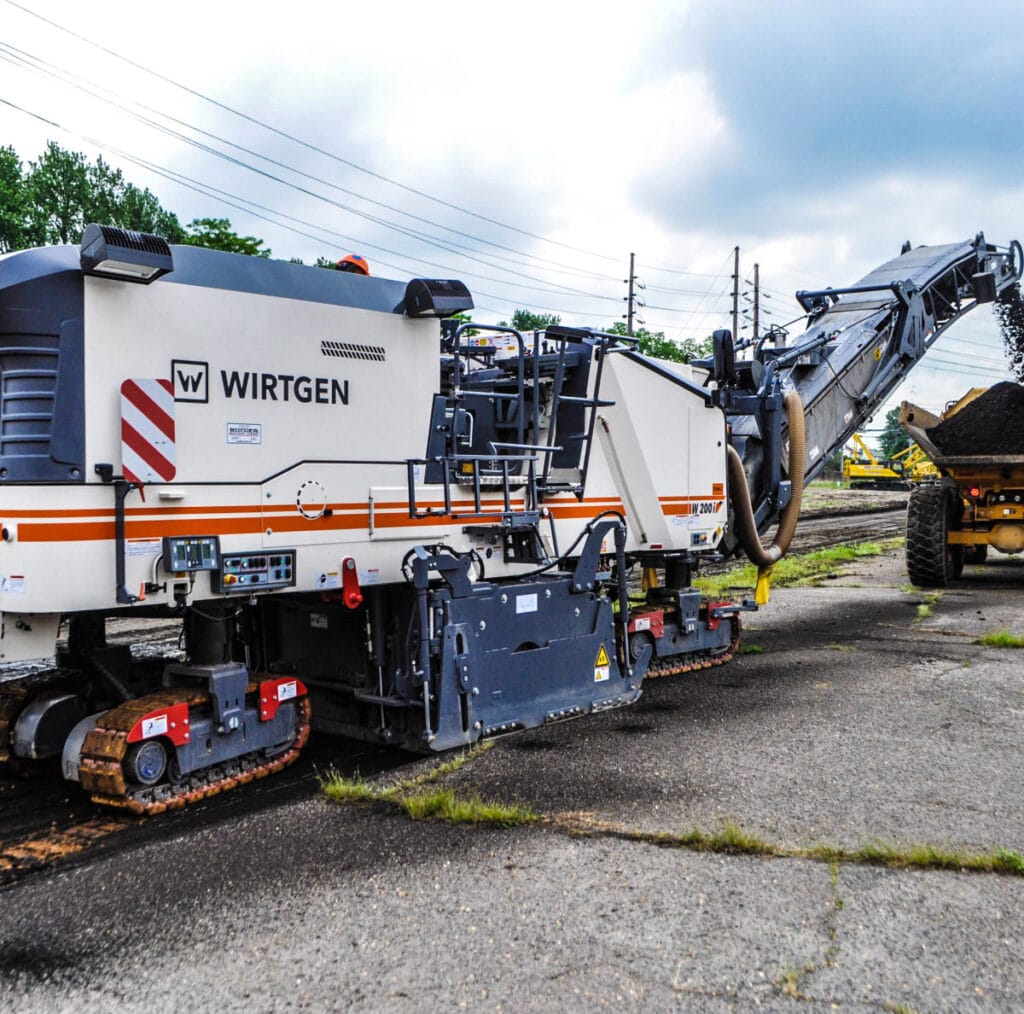
Asphalt milling is the process of removing a controlled thickness of existing asphalt so a new surface can be installed without raising grades or tearing out the entire structure. Precision Asphalt Norfolk uses heavy milling machines equipped with a rotating drum covered in cutting teeth that grind the pavement into reusable pieces. This lets us fix ruts, puddling areas, and surface damage while keeping the underlying base that is still structurally sound.
In Norfolk, where curb heights, drainage, and tie-ins to existing streets are critical, milling is often the only practical way to correct a problem area without affecting driveway entrances, ADA ramps, or storm drains. By precisely controlling the cut depth, we can remove as little as 1 inch for a surface refresh or several inches to address deeper failures. The milled asphalt, often called RAP (reclaimed asphalt pavement), is then swept up, either hauled off for recycling or reused as part of the new construction, depending on project requirements and VDOT specifications.
This service is especially valuable for parking lots, commercial entrances, and industrial yards where closing the site for full reconstruction would be too disruptive. Milling lets you keep your existing elevations and striping layout while improving ride quality and extending pavement life. Used correctly, asphalt milling is both cost effective and environmentally responsible, which is why many Norfolk property managers now prefer it over full tear-outs whenever the base can be preserved.
Our Step-by-Step Milling Process on Your Norfolk Property
Precision Asphalt Norfolk follows a predictable, documented process so owners know exactly what will happen on their property. We start with a detailed site walk, noting cracks, rutting, ponding areas, manholes, utility boxes, and transitions to sidewalks or neighboring pavement. We measure existing depths at a few locations to confirm that milling will leave enough asphalt above the base course to remain structurally sound.
Next, we mark the pavement with paint to show cut depths, drainage flow lines, and areas that need localized full-depth repair instead of just milling. Traffic control is planned in advance, especially for commercial sites near Tidewater Drive, Military Highway, or around downtown Norfolk, so employees and customers still have safe access. When needed, we coordinate with neighboring businesses and schedule work in phases or off-hours.
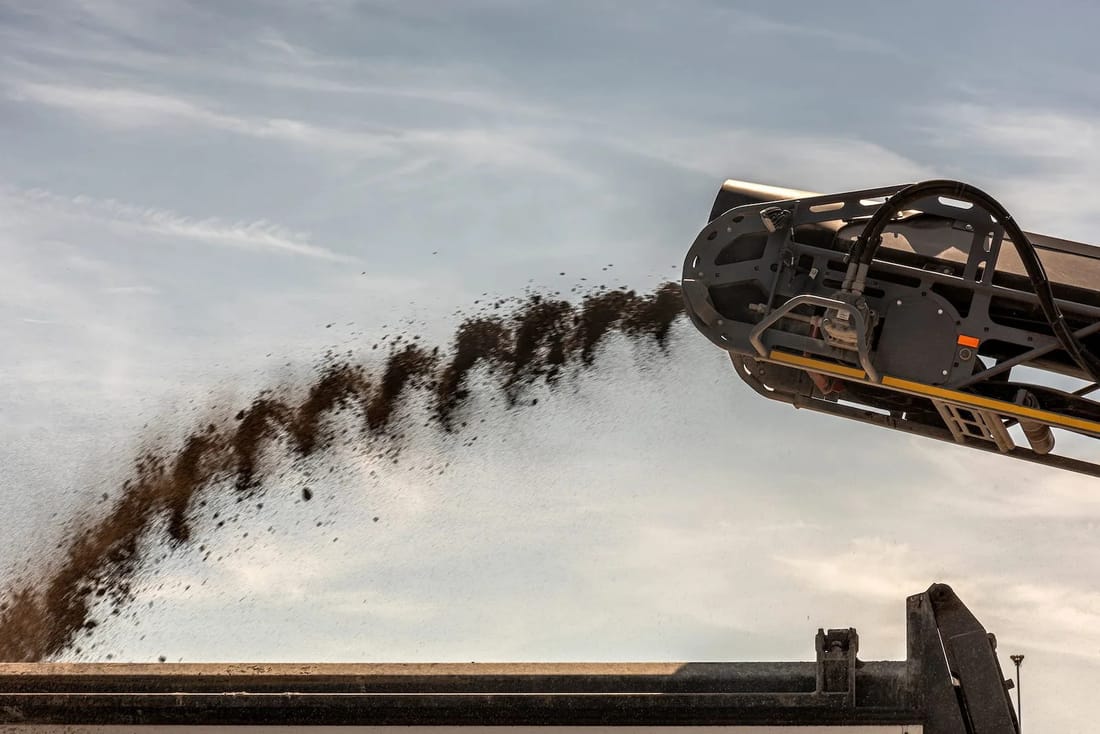
The milling machine then carefully grinds the surface to the planned depth. A conveyor loads the milled material into trucks so the site stays clean and safe. After milling, we sweep and sometimes power-broom the area to remove dust and loose particles. Any exposed soft spots are evaluated on the spot. If milling exposes a weak base, we can stabilize or replace that section before paving.
Finally, the site is ready for new asphalt. Proper tack coat is applied to bond the new layer to the milled surface, then fresh hot mix is laid and compacted. Joints at manholes, concrete aprons, and adjoining properties are hand-worked for a smooth transition. By treating every step as non-negotiable, Precision Asphalt Norfolk minimizes callbacks and premature failures.
Asphalt Reclamation: When Milling Alone Is Not Enough
In some Norfolk pavements, especially older lots or private roads that have been resurfaced many times, the problem is not just the top inches. Cracking reflects up from deeper layers and simple milling and overlay will not last. Asphalt reclamation is a better choice in these cases because it recycles the full pavement section and part of the base into a new stabilized foundation.
Full-depth reclamation uses a reclaimer or soil stabilizer to grind the existing asphalt and a portion of the underlying aggregate together. In many projects we add binding agents, like asphalt emulsion or cement, to strengthen the new base. The mixed material is then graded and compacted, creating a new uniform platform. After that cured layer is set, a new asphalt surface is installed on top.
Norfolk properties with long access roads, older industrial yards off Hampton Boulevard, and aging HOA streets can benefit from reclamation because it eliminates multiple layers of poorly bonded asphalt, corrects base failures, and improves drainage, all without hauling everything away and bringing in entirely new stone. It also reduces truck traffic through neighborhoods and along busy routes like I-264 because so much material is reused on site.
Precision Asphalt Norfolk evaluates whether milling or reclamation is the right choice by core sampling and test pits. If we see heavy alligator cracking through the full depth or pumping of fines when trucks turn, reclamation is usually recommended. We explain the tradeoffs in cost, downtime, and longevity so owners can make an informed decision, not a guess.
What Drives the Cost of Asphalt Milling and Reclamation in Norfolk
Several project-specific factors affect the cost of asphalt milling or reclamation, and understanding them helps you evaluate bids fairly. The first is thickness and area. Removing 1 inch of asphalt across a small parking lot is very different in time and wear on equipment than removing 3 inches on a large industrial site. More depth means more passes or slower machine speeds, which adds cost.
Access and layout are just as important. Wide, open shopping center lots in areas like Janaf or around Ward’s Corner are faster to mill than tight condo complexes with many islands, short runs, and limited truck access. Maneuvering large milling equipment and trucks in confined spaces adds labor time and complexity. Every extra mobilization, phase, or night shift also contributes to total price.
Another cost driver is the condition of the underlying base. If milling reveals soft spots or saturated stone, we must repair that area with new base, stabilization, or full-depth patching to ensure the new overlay performs. Precision Asphalt Norfolk builds allowances for base repairs into our proposals and describes how they will be handled and priced so you are not surprised mid-project.
For reclamation, the cost is influenced by the choice and amount of stabilizing agent, required cure time, and any engineering or testing needed to satisfy municipal or HOA requirements. Local disposal or recycling options for excess material also matter. Because we work in Norfolk every day, we know where recycling is practical and where hauling off-site is more efficient, and we use that knowledge to keep your total cost reasonable while meeting performance goals.
Local Norfolk Considerations: Drainage, Utilities, and Requirements
Pavement in Norfolk faces unique conditions that influence how milling and reclamation should be done. The combination of tidal influence, frequent rain, and low-lying soils around neighborhoods like Ocean View and near the Elizabeth River means drainage cannot be an afterthought. Milling that is done without checking slope can actually make ponding worse. Precision Asphalt Norfolk lasers key elevations and adjusts milling depths to maintain or restore positive drainage to inlets and swales.
Utilities are another local concern. Many Norfolk parking lots and streets have shallow utility structures, old valve boxes, or manholes that may not be perfectly level with the existing surface. During milling, these structures must be carefully protected and sometimes temporarily raised or isolated. We identify and mark them before work begins, and our crews use smaller machines or handwork around delicate areas to prevent damage that could trigger utility outages or costly repairs.
From a permitting standpoint, most private commercial lots can be milled and resurfaced without a full site plan, but significant grading changes, stormwater system modifications, or reclamation that alters drainage patterns may require review by the City of Norfolk. For large or complex projects, we coordinate with your engineer or design professional to ensure our methods match any approved plans. HOAs and property managers should also confirm whether their covenants require board approval before a major pavement project and whether specific colors, striping layouts, or signage must be maintained.
Common Problems and How Precision Asphalt Norfolk Addresses Them
If milling or reclamation is done without proper planning, several common problems can shorten pavement life or create ongoing issues. One is insufficient bonding between the milled surface and new asphalt. This usually occurs when a proper tack coat is skipped or applied too lightly, or when the surface is dirty. Our crews clean the milled surface thoroughly and apply the correct tack rate for the texture and temperature so the new layer bonds solidly.
Another issue is leaving thin, weak asphalt over an already compromised base. Some contractors will agree to mill only a very shallow depth to cut costs, even when deeper structural problems are visible. That can result in reflective cracking within a year. Precision Asphalt Norfolk is direct about whether milling alone will work on your Norfolk property. If we believe full-depth patching or reclamation is needed in specific areas, we document those locations and explain the expected consequences if those repairs are skipped.
Drainage mistakes are equally common. Milling can unintentionally create small sags around catch basins or at transitions to concrete. We check slopes and use fine grading equipment after milling to correct any low spots before paving. On reclaimed sections, we shape the new base to match required cross slopes so water moves where it should.
Finally, scheduling and access can become a problem if not handled up front. For busy Norfolk retail centers, medical offices, or multifamily communities, we help develop a phasing plan that keeps a portion of the lot open at all times, provides temporary accessible parking, and clearly marks detours. Clear communication before and during the work is often what separates a smooth project from a disruptive one.
What Norfolk Property Owners Should Ask Before Hiring an Asphalt Milling Contractor
Before you hire anyone for asphalt milling or reclamation in Norfolk, there are a few specific questions that will help you separate experienced contractors from basic paving crews. Ask what milling depth they are proposing and how they determined it. A competent contractor should reference existing pavement thickness, drainage needs, and expected traffic, not just give a round number.
Request confirmation that the company owns or reliably controls the necessary milling and reclamation equipment, rather than relying entirely on third-party rentals or subs that might not be available when your project is scheduled. Precision Asphalt Norfolk maintains regular access to milling machines and works with trusted partners for specialized reclamation units, which keeps timelines realistic.
Have them explain how they will handle manholes, utility boxes, transitions to neighboring properties, and any known drainage problems. Vague answers in these areas usually lead to problems after paving. You should also see a clear plan for traffic control and phasing, especially if your property serves customers or residents daily.
Finally, ask how they will address any unforeseen base failures discovered during milling or reclamation. A detailed proposal will describe unit prices or allowances for base repair, outline who approves changes, and clarify how schedule impacts will be communicated. When you work with Precision Asphalt Norfolk, you get that level of transparency up front, along with local experience that reflects the specific soils, traffic, and weather conditions your pavement will see in Norfolk, Virginia.