Home › Asphalt Pathways, Sidewalks, and Trails
Connect your property with safe routes using asphalt pathway paving in Norfolk, VA. We build sidewalks, walking paths, and multi-use trails for parks, campuses, and commercial sites that are smooth, durable, and accessible.
Precision Asphalt Norfolk provides professional asphalt pathway paving throughout Norfolk, VA, Virginia and the surrounding area. Our licensed, insured crew delivers safe, clean, on-time work with a free estimate before anything begins. Call (757) 908-3635 or request your free quote.
Durable asphalt pathways, sidewalks, and trails for Norfolk properties
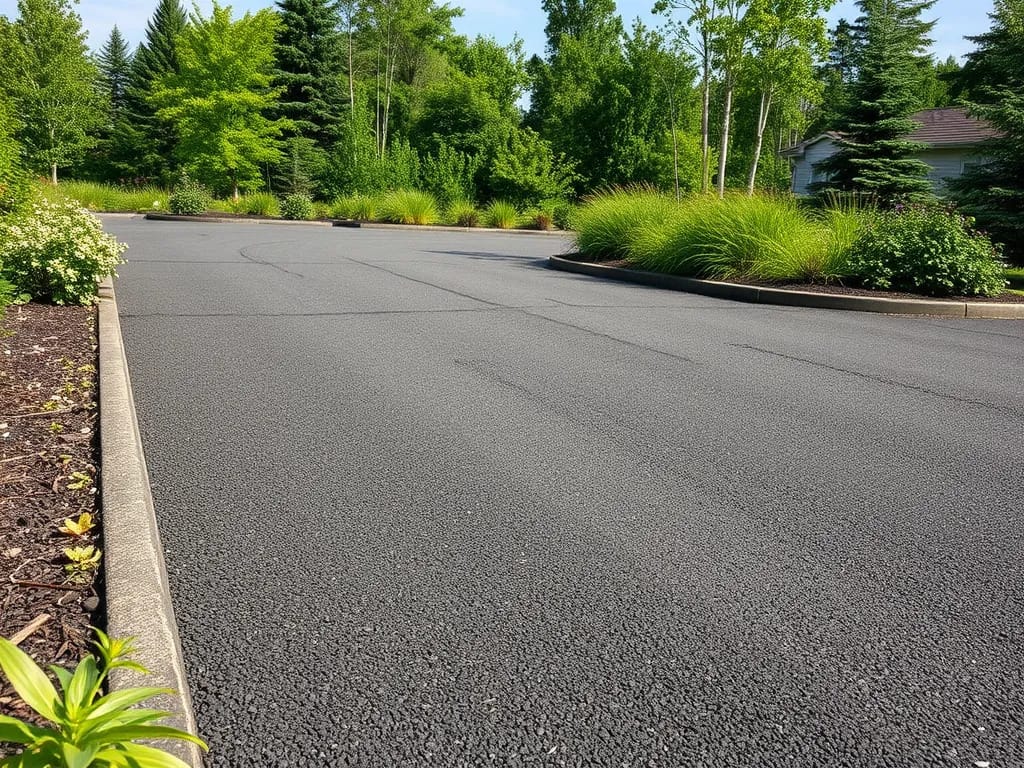
Asphalt pathway paving is a practical way to connect spaces on your property while keeping maintenance low and surfaces safe. At Precision Asphalt Norfolk, we focus on walkable projects that fit how people in Norfolk actually use their outdoor areas, from neighborhood sidewalks and HOA walking loops to school routes and park-style trails.
Norfolk’s mix of older neighborhoods, naval facilities, and waterfront parks means every site needs a slightly different approach. A narrow front sidewalk along Colonial Avenue will be designed differently than a shared-use trail by Lake Taylor. We start by walking the route with you, looking at slope, drainage patterns, tree roots, and how the path will be used so the final design works in real life, not just on paper.
Our crew lives and works here, so we plan around local conditions like tidal rain events, clay-heavy soils, and freeze-thaw cycles that are milder than upstate but still matter. The result is asphalt pathways, sidewalks, and trails that hold up to daily foot traffic, strollers, bikes, and maintenance equipment with fewer cracks and trip hazards over time.
How we design asphalt pathways that actually work
A good asphalt pathway starts with layout, not with asphalt. Precision Asphalt Norfolk creates a simple site sketch that shows width, alignment, and tie-in points to driveways, existing sidewalks, parking lots, or building entrances. For most residential and HOA projects, walking paths are 4 to 6 feet wide, while shared-use community trails often run 8 to 10 feet so pedestrians and bikes can pass safely.
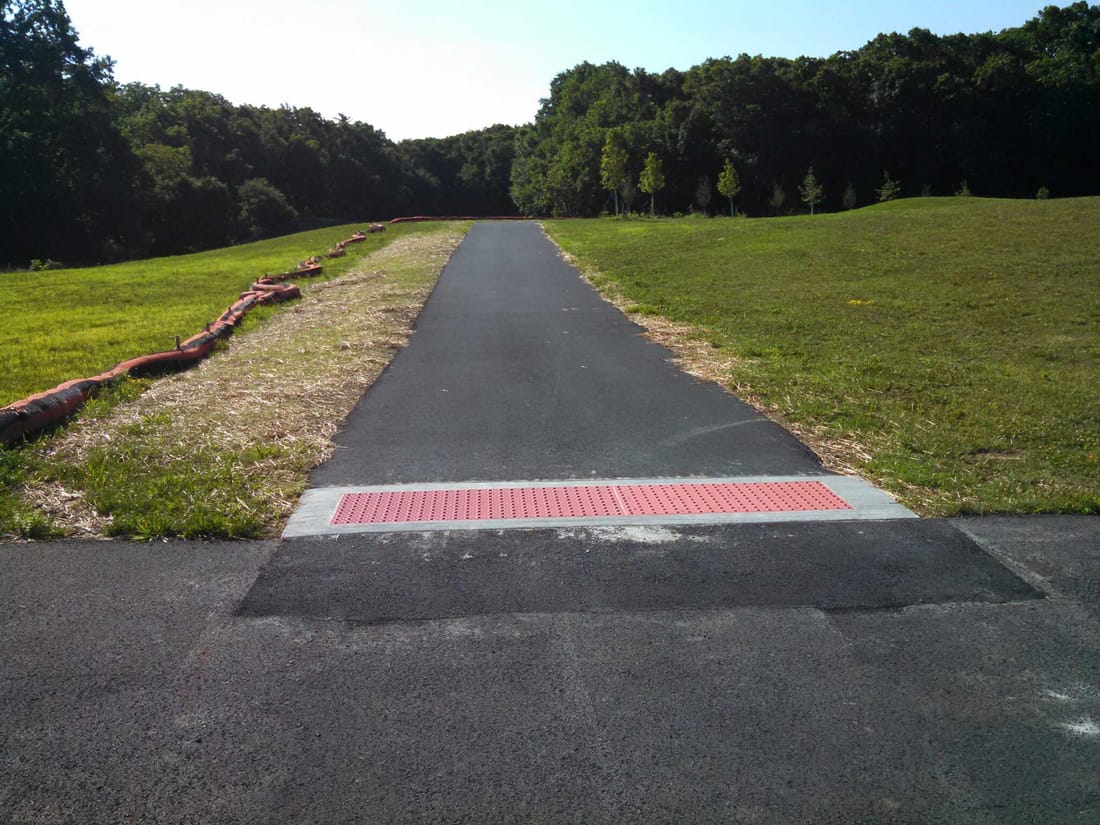
We review ADA considerations from the start. This includes controlling slopes on ramps and transitions, choosing landing areas where grade changes are necessary, and making sure cross slopes stay within acceptable limits to avoid water running across the walking surface. On routes used by seniors, school children, or hospital visitors, we pay extra attention to smooth transitions between old and new concrete or asphalt so canes and wheelchairs do not catch.
Local drainage is a big factor in Norfolk, especially in lower areas like Ocean View and sections of Ghent. We use gentle crowns or cross slopes and plan swales or inlets so stormwater flows off the pathway quickly instead of ponding. If your property has known wet spots, we often adjust the alignment slightly or raise the pathway profile with additional base stone to keep the walking surface dry.
Site prep and base work that prevent early cracking
Most problems with asphalt pathways start under the surface. We spend more time on site preparation and base than many contractors because Norfolk’s soils can be soft, sandy, or saturated, especially near the water. Precision Asphalt Norfolk begins by removing sod, roots, and any unstable material along the pathway alignment to a depth that matches the expected use.
For typical residential walk paths with foot traffic and lawn mowers, we usually install 4 to 6 inches of compacted crushed stone base. Community trails, school routes, and paths that maintenance trucks will occasionally use often get 6 to 8 inches of base. We build the stone in several lifts, compacting each layer with plate compactors or small rollers to reach a dense, uniform platform for the asphalt.
Areas with soft subgrade are proof rolled. If we see pumping or rutting, we may undercut those sections and replace them with additional stone, or in some cases use a stabilization fabric to bridge weak soil. This step costs a little more up front but prevents early settlement that leads to dips, ponding, and cracking. In tree-heavy Norfolk streets, we also consider root zones, sometimes shifting the alignment or installing root barriers so roots do not push through the finished pathway in a few years.
Asphalt mixes, thickness, and surface options for walkways and trails
Not every asphalt pathway uses the same mix or thickness. For most sidewalks and walking paths in Norfolk, we use a fine surface mix that creates a smoother finish, which is easier on shoes, strollers, and wheelchairs. Standard thickness for low-traffic walkways runs 2 to 2.5 inches compacted. Community trails and shared-use paths that may see bikes and occasional service vehicles often receive 3 inches compacted for added strength.
Hot mix asphalt is installed while it is still workable, then rolled immediately to achieve proper compaction. We aim for consistent compaction so the surface sheds water evenly and resists raveling. Along edges that meet turf or planting beds, we either build a slightly thickened edge or cut a clean edge line that can be maintained easily with string trimmers.
If you want better traction or visibility, especially in shaded or damp areas, we can adjust the surface texture slightly or add painted markings at crossings and intersections. For school and park projects in Norfolk, we often integrate crosswalk tie-ins, stop bars at trail-road intersections, and high-contrast edges near steps or ramps using thermoplastic or durable traffic paint formulated for asphalt.
What affects the cost of asphalt pathway paving in Norfolk
Precision Asphalt Norfolk is upfront about what drives pricing so you can budget accurately. The main cost factors are total pathway length, width, and thickness, since these determine how much asphalt and stone base are required. Longer, wider, or thicker sections simply use more material and labor.
Layout complexity also matters. Curving paths around trees, installing multiple tie-ins to patios or parking lots, or working in tight courtyards takes more time than a straight run along a road. Norfolk’s older neighborhoods sometimes require us to remove existing uneven concrete or brick pavers, which adds demolition and disposal costs but is often worth it for a safer, unified surface.
Access to the work area is another factor. If our crew can get a small paver and roller close to the pathway, costs are lower. If the only access is through narrow gates, alongside buildings, or across delicate landscaping, we may have to use smaller equipment and more hand work. In low-lying areas that need extra base depth to deal with wet soil, material costs increase but lead to a much longer-lasting pathway. We provide line-item estimates that show excavation, base, asphalt, and any add-ons like drainage measures or striping so you can see exactly where your money is going.
Norfolk-specific timing, weather, and maintenance tips
Norfolk’s climate lets us pave pathways much of the year, but some windows are better than others. The most reliable conditions for asphalt pathway paving are typically March through early June and late September through early November, when temperatures are moderate and rainfall is less intense. In the peak of summer heat, we schedule work earlier in the morning so asphalt does not cool too fast or scuff easily under foot traffic.
Because we deal with coastal weather, we watch tidal and storm forecasts closely, especially in neighborhoods that see nuisance flooding. We avoid paving when heavy rain is expected, since water on fresh asphalt can cool the mat too fast and damage the finish. If a sudden shower hits, our crew has procedures to protect partially placed sections and resume work without leaving weak joints.
After your pathway or trail is installed, routine maintenance is simple but important. Keep edges trimmed so grass does not creep over and hold moisture on the surface. Sweep or blow off leaves and sand that can trap water. For community paths and HOA walkways, we suggest a periodic walkthrough to note any developing cracks or low spots. Minor cracks can be sealed, and small depressions can be patched before they turn into larger issues. Many Norfolk property owners choose to sealcoat wider trails every few years to slow oxidation and keep the surface darker and more uniform.
What to ask before you hire a pathway paving contractor
Choosing the right company for asphalt pathways, sidewalks, and trails affects safety, appearance, and long-term cost. When you talk to contractors, ask what base depth they recommend for your specific use, and how they handle soft spots in Norfolk’s variable soils. If the answer is the same for every job, regardless of traffic or soil conditions, that is a red flag.
Ask whether they will check slopes and drainage before they start paving. A good pathway installer should be able to explain how water will leave the surface, where it will go, and how they will avoid ponding at low points or entrances. For public or shared spaces, confirm that they understand ADA considerations and can talk through cross slopes, ramp transitions, and surface smoothness.
Precision Asphalt Norfolk encourages you to request references for similar projects in your part of the city, whether that is a school walkway in Berkley, a waterfront trail section near Willoughby, or a set of HOA walking paths in a newer subdivision. We can walk you through our process, show you finished work, and provide a clear written scope that lists excavation, base, asphalt thickness, and any extras so you know exactly what you are getting before we start.