Home › Asphalt Resurfacing & Overlays
Refresh your worn pavement with professional asphalt resurfacing in Norfolk, VA. We install durable asphalt overlays on driveways that have a solid base, creating a smooth, attractive surface without the cost of full replacement.
Precision Asphalt Norfolk provides professional asphalt resurfacing throughout Norfolk, VA, Virginia and the surrounding area. Our licensed, insured crew delivers safe, clean, on-time work with a free estimate before anything begins. Call (757) 908-3635 or request your free quote.
Asphalt Resurfacing & Overlays in Norfolk, VA
If your driveway or parking lot is rough, cracked, or faded but not completely falling apart, asphalt resurfacing might be exactly what you need. Precision Asphalt Norfolk focuses on resurfacing and overlays for Norfolk property owners who want a long-lasting fix without paying for a full tear-out and replacement.
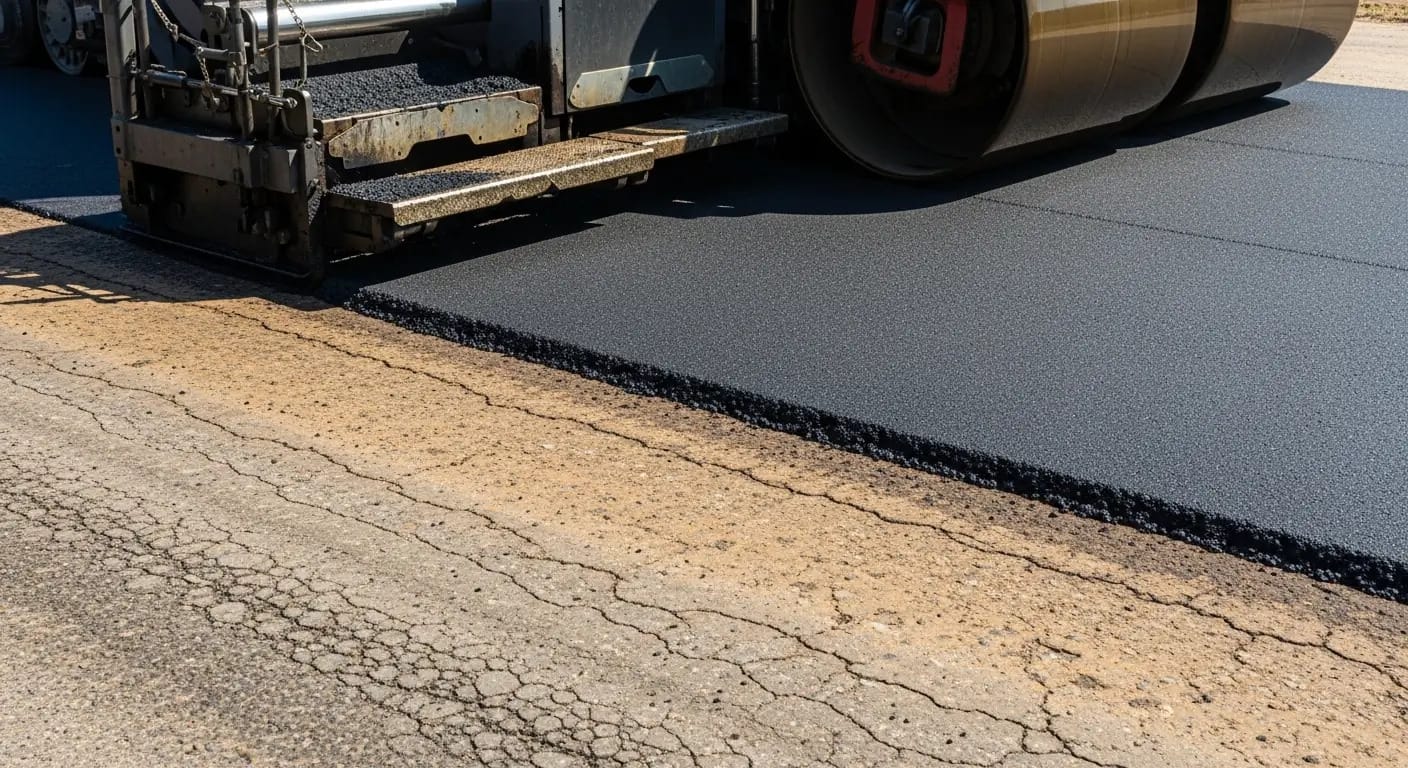
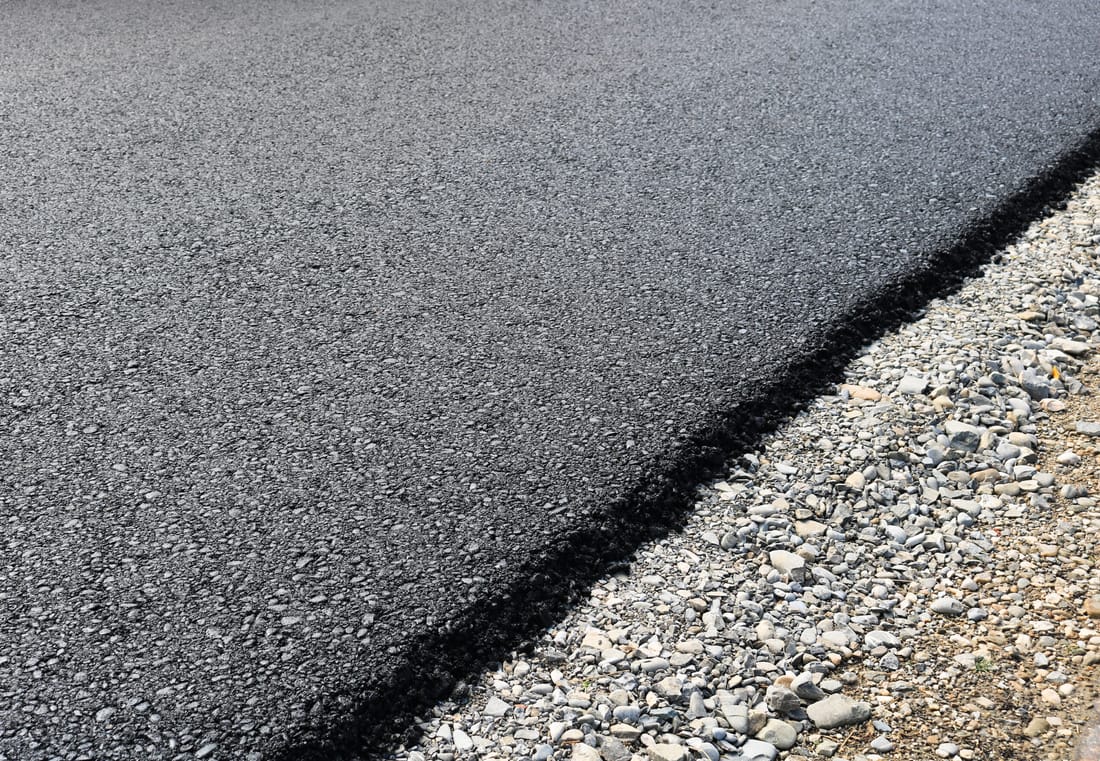
Resurfacing means we keep the solid base of your existing pavement, repair the problem areas, then install a fresh layer of hot-mix asphalt on top. You get a smooth, dark, like-new surface at a lower cost than starting from scratch. This process is ideal for homes, apartment communities, businesses, and small commercial lots around Norfolk that have wear and tear from age, traffic, and coastal weather but still have a sound foundation underneath.
Norfolk’s climate has a big impact on how and when we resurface. Our mix has to handle summer heat, winter cold snaps, and salt-laden coastal air. At Precision Asphalt Norfolk we pick Virginia-approved mixes that resist rutting in the summer, handle the occasional freeze-thaw cycles, and stand up to stormwater. We also schedule resurfacing work around weather windows, since installing an overlay on a wet or very cold surface will shorten its lifespan.
Before we recommend resurfacing, we inspect your pavement closely. If we see widespread deep base failures, large areas of sinking, or serious drainage problems, we will tell you honestly when a full replacement makes more sense. When we say resurfacing is the right move, it is because we know the base is strong enough to support a new asphalt layer for years.
How Our Asphalt Resurfacing Process Works
Precision Asphalt Norfolk follows a step-by-step resurfacing method so you know exactly what is happening on your property and why.
1. Detailed evaluation and measurements
We walk the entire area with you, mark problem spots, measure the square footage, and note traffic patterns. For example, in a restaurant lot on Colley Avenue we may specify a thicker overlay in the drive lane where trucks and delivery vehicles turn frequently.
2. Structural and drainage check
We look for signs that water is not draining correctly, such as standing water, algae staining, or soft spots after rain. In Norfolk, low lying sections and older neighborhoods with flat grades often need minor grade corrections or extra milling so water flows to drains instead of sitting on the surface.
3. Milling and edge preparation
We remove a thin layer of old asphalt at transitions like garage entrances, sidewalk crossings, and road tie-ins with a milling machine. This keeps your final surface level with existing concrete and prevents trip edges. Around storm drains and curb lines we adjust depths so the overlay does not block water flow.
4. Patching and base repairs
Any potholes, alligator cracking, or severely broken sections are saw cut, excavated, and replaced with new base material and asphalt. On some Norfolk properties with older oyster shell or cinder bases, we stabilize these areas with compacted stone before resurfacing. This step is critical. Putting a smooth overlay over weak spots just means the problems will show back through quickly.
5. Cleaning and tack coat application
We clean the surface with blowers and brooms to remove dust, loose aggregate, and leaves. Then we apply a tack coat (a thin asphalt emulsion) that bonds the existing pavement to the new overlay. Without proper tack, the new layer can slip or delaminate, especially with heavy turning traffic.
6. Installing the new asphalt overlay
We place hot-mix asphalt with a paver for larger areas or by hand in tight or residential spaces. Typical overlay thickness for driveways is about 1.5 inches compacted, while commercial lots or drive lanes may get 2 inches or more based on expected traffic. We compact the surface with steel drum and pneumatic rollers so you get a dense, smooth finish.
7. Final rolling, joint sealing, and striping
We tighten up surface texture with a finish roll, then address any visible joints or seams. For parking lots we layout and paint new lines, handicap symbols, and directional arrows as soon as the asphalt is cool enough for paint. You finish with a clean, organized layout that matches Norfolk code requirements and ADA standards.
What Affects Asphalt Resurfacing Cost in Norfolk
No two resurfacing projects are priced the same, and we want you to understand exactly what affects your quote from Precision Asphalt Norfolk.
1. Size and layout
Larger areas typically cost less per square foot, but complex layouts can add labor. Cul-de-sacs, curved driveways in older Norfolk neighborhoods, or tight alley access may require more handwork instead of machine paving, which slightly increases cost.
2. Thickness of the overlay
A 1.5 inch overlay is common for light residential driveways. Heavier traffic areas such as church parking lots or commercial loading zones may need 2 to 3 inches. More thickness means more material and more compaction time, which increases cost but also increases lifespan.
3. Amount of milling and repair
If only the transitions need milling, your cost stays lower. If we must mill large sections to correct ponding water or to tie into city streets, cost rises. Similarly, basic crack filling is minor, but full-depth patching over soft or failed base material can be a larger part of the budget.
4. Base condition
If your existing asphalt is worn but structurally solid, resurfacing is very cost-effective. If we discover widespread base failure, we will discuss whether partial reconstruction in problem areas will still make resurfacing worthwhile. We do not cover serious base problems with a thin overlay just to be cheap upfront, since that usually fails early and costs more later.
5. Access and scheduling
In dense areas like Ghent or downtown Norfolk, coordinating with surrounding businesses, delivery schedules, and city parking rules can affect timing and crew setup. Night or weekend work is sometimes requested to avoid business disruption and can influence pricing.
We provide written proposals that break down the major work items so you can see where your money goes. If you receive a quote from another contractor that seems much lower, ask them about overlay thickness, patching, and whether a tack coat is included. Skipping those items makes a big difference in price, but it also shortens the life of the job.
Local Conditions, Timing, and Common Resurfacing Issues
Norfolk’s environment creates a few specific challenges for asphalt resurfacing, and knowing about them helps you plan better.
Season and weather timing
We typically recommend major resurfacing between late spring and early fall when temperatures are warm and more stable. Asphalt needs proper temperature to compact correctly. In cooler months it cools too fast and can lead to weak spots. We also watch the forecast closely. Resurfacing on a day with heavy rain in the forecast is risky because moisture under the new overlay can cause early cracking or stripping.
Drainage and coastal rains
Norfolk gets periodic heavy downpours and tropical systems. If your lot already has birdbaths or puddles, these must be addressed before or during resurfacing. That might mean milling down high spots, adding small swales for water flow, or adjusting the grade around catch basins. Precision Asphalt Norfolk puts a lot of attention on where water goes after we finish, since poor drainage is one of the top reasons an overlay fails early.
Existing cracks and reflective cracking
Cracks in the old pavement can reflect through the new overlay over time. We handle this by routing and filling larger cracks before paving and, when needed, using reinforcing fabrics or grids on specific problem areas. We will be honest with you about what to expect. Even with careful prep, some hairline reflective cracking is possible over many years, but proper preparation slows it down significantly.
Tree roots and older neighborhoods
Many Norfolk streets and driveways are lined with mature trees. Roots can lift pavement and create humps. For resurfacing projects in these areas we may need to grind down high spots, cut and patch localized areas, or, in some cases, coordinate with an arborist if roots are very aggressive. Ignoring root issues will cause your new overlay to crack again from below.
Traffic control and access
For commercial and multi-family properties, we usually phase work so you can keep some parking or access open. This may mean resurfacing in sections and posting clear signage and cones. For residential driveways we help you plan where to park during curing time and how quickly you can drive on the new surface (often within 24 hours for light vehicles, depending on temperature).
Is Asphalt Resurfacing Right for Your Norfolk Property?
Resurfacing is a smart option when your pavement looks tired but the base still has life left in it. Here are good signs that asphalt resurfacing with Precision Asphalt Norfolk may be the right fit:
- You see surface cracks, raveling, and faded color, but the pavement does not feel soft or spongy underfoot.
- Potholes or broken areas are limited to specific spots, not the entire lot or driveway.
- Drainage is mostly acceptable or can be corrected with modest milling and grading, not full reconstruction.
- You want a clean, fresh look and better curb appeal without paying for a total tear-out.
On the other hand, if your pavement has widespread alligator cracking, large sections that move or pump water when trucks drive over them, or a long history of recurring patches, we may advise full replacement or a combination of reconstruction in the worst areas with an overlay on the rest.
When you contact Precision Asphalt Norfolk, we start with a site visit instead of a guess over the phone. We listen to how you use the pavement, how long you plan to own the property, and what your budget range is. Then we explain the options in plain language: what resurfacing would look like on your site, how long it should last based on your traffic, and any tradeoffs between cost and longevity.
We are local, so we understand Norfolk soils, city standards, and how the coastal climate treats asphalt over time. If resurfacing is the right solution, we will design an overlay plan that respects those realities and gives you a smooth, durable surface that looks good for years.