Home › Commercial Gravel-to-Asphalt Conversions
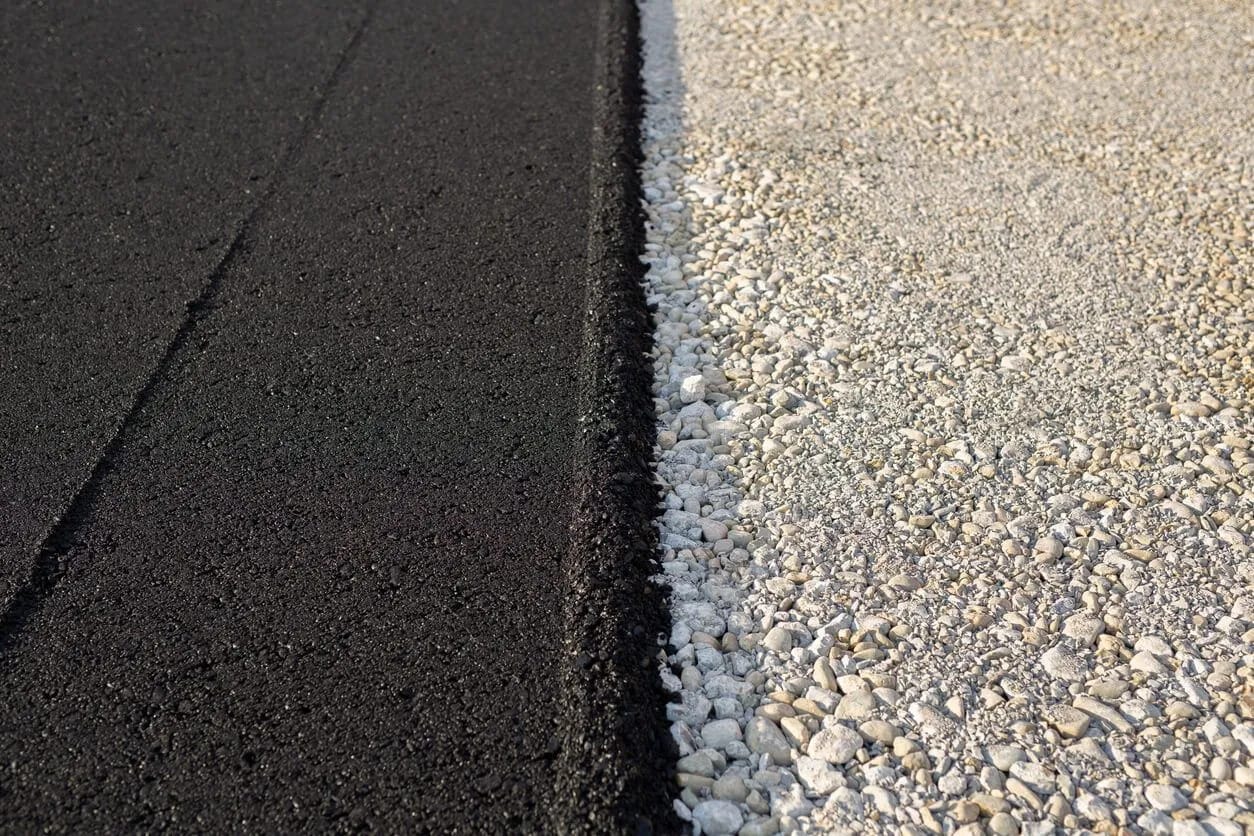
Upgrade rough parking and drive areas with commercial gravel to asphalt conversions in Norfolk, VA. We transform dusty or muddy gravel lots and roads into clean, well-draining asphalt surfaces that are easier to plow, stripe, and maintain.
Precision Asphalt Norfolk provides professional commercial gravel to asphalt throughout Norfolk, VA, Virginia and the surrounding area. Our licensed, insured crew delivers safe, clean, on-time work with a free estimate before anything begins. Call (757) 908-3635 or request your free quote.
Commercial Gravel-to-Asphalt Conversions for Norfolk Properties
Precision Asphalt Norfolk focuses on one thing on this page: turning commercial gravel lots into durable asphalt surfaces that hold up in Hampton Roads conditions. If you manage a business, multifamily property, industrial site, or church in Norfolk, you already know gravel brings dust, mud, ruts, and constant maintenance. A proper commercial gravel to asphalt conversion solves those issues and makes your site look like a place people want to visit.
We do not simply throw asphalt over the stone that is there. Every conversion starts with a site inspection where we check drainage, existing gravel depth, traffic patterns, and how trucks currently move and park. Norfolk has a mix of sandy and clay-heavy soils, and both behave differently under heavy loads. We take soil conditions into account so your new asphalt surface does not rut, settle, or break up within a few seasons.
Our projects are planned around your operations. For active commercial sites, we phase the work so at least one access route or parking area stays open whenever possible. You will know in advance when each section is closed, when paving will be done, and when striping will be completed so you can communicate clearly with tenants, customers, or drivers.
Step-by-Step: How We Convert Gravel Lots to Asphalt
A successful commercial gravel to asphalt project is all about the base. First, Precision Asphalt Norfolk evaluates the existing stone. If your gravel is thin, mixed with topsoil, or contaminated with organic material, we strip it, regrade, and bring in suitable aggregate. If the existing gravel is deep, compact, and clean, we reuse what we can to help control cost.
We then shape the lot for positive drainage. Water must move to designed low points, not sit in the middle of your parking or loading areas. In Norfolk, tidal rain events and nor’easters can drop a lot of water fast, so we add subtle slopes and ensure that catch basins and drain lines are set to the correct elevation. Where needed, we install or adjust drain boxes, valley pans, or swales and tie them into your existing storm system.
Next, we mechanically compact the base using vibratory rollers. For truck yards and industrial sites, we typically use a thicker aggregate base and heavier compaction to handle repetitive axle loads. Soft spots are undercut and replaced with stronger stone rather than paved over. Once the base passes compaction testing in the field, we apply a tack coat where we are joining new asphalt to existing pavement or concrete.
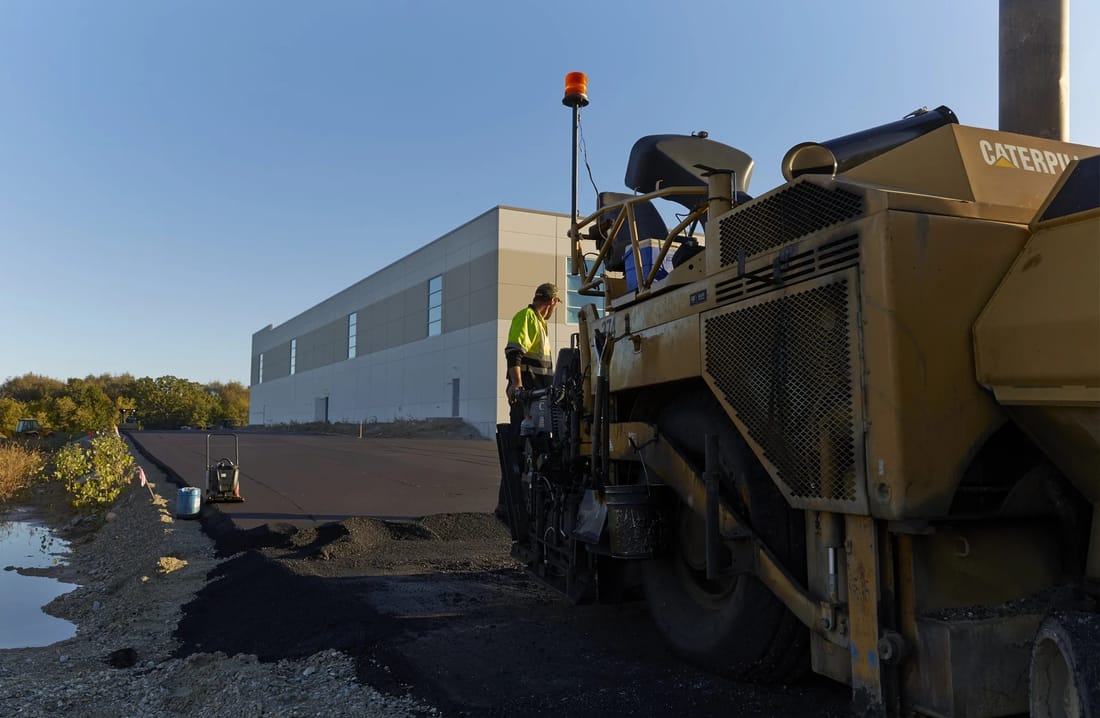
Finally, we install the asphalt in one or more lifts, depending on the design thickness. Each lift is machine laid and rolled to achieve proper density and slope. We finish with joint sealing at tie-in points, then move into striping, wheel stops, signage posts, and any required ADA features so the lot is ready for daily use and inspections.
Norfolk-Specific Factors: Weather, Timing, and Soil Conditions
Norfolk’s coastal climate affects how and when commercial gravel to asphalt conversions should be scheduled. Ideal paving windows are typically from late March through early June and again from September through early November, when daytime temperatures are steady and rain is less frequent. Hot, humid mid-summer conditions can work, but asphalt sets very quickly then, so we adjust crew size and equipment to get good compaction before the mat cools.
Winter conversions are possible for base preparation and drainage work, but asphalt placement is limited by temperature and weather. If you have a strict opening date or lease-up schedule, Precision Asphalt Norfolk will phase your project so groundwork is done off-season and paving is finished when conditions allow. This keeps you from being stuck with a gravel lot longer than necessary.
Norfolk properties also deal with high water tables and occasional tidal or nuisance flooding. On low-lying sites, we may recommend underdrains, thicker aggregate sections, or stabilization fabrics to separate the stone base from native soil. This prevents pumping (water and fines coming up through cracks) and extends pavement life. We also pay attention to how water flows from adjacent properties, which is common in industrial zones where yards connect, so your new asphalt is not undermined by runoff you did not plan for.
Design Options and Asphalt Specs for Commercial Lots
There is not one standard section for every commercial gravel to asphalt job. Precision Asphalt Norfolk builds cross sections based on your use. For lighter duty commercial parking lots, a typical build might include 6 inches of compacted stone and 2 to 3 inches of asphalt in one or two lifts. For delivery yards, dumpster pads, or areas where semis turn sharply, we may recommend a thicker base and a heavier surface mix.
We discuss mix types with you before paving. For high-traffic entrances and loading areas, we often use a state-approved surface mix that balances skid resistance with long-term durability. In areas that see very slow turning traffic, such as tight loading bays, we choose a mix that resists shoving and rutting. The goal is to match the material to the way your tenants, customers, or drivers actually use the space.
Layout is another design choice. A gravel lot usually has informal parking and traffic routes. When we convert to asphalt, we can reorganize the space to improve flow. That may include angled stalls, one-way drive aisles, proper truck staging areas, and clearly marked fire lanes. We also plan accessible parking, ramps, and routes to comply with ADA requirements. Clear layout and striping on a new asphalt surface reduce accidents, confusion, and liability exposure for property owners.
Cost Drivers, Budget Ranges, and How to Control Expenses
Every commercial gravel to asphalt conversion in Norfolk is different, so we start with an on-site review and a written proposal. The biggest cost drivers are total square footage, depth and quality of the existing gravel, how much new stone is needed, the required asphalt thickness, and drainage or utility adjustments. Access issues, such as tight urban lots or working around business hours, can also affect the price.
If your existing gravel base is thick, clean, and well compacted, we can usually save you money by regrading and supplementing it rather than rebuilding from scratch. If the gravel is thin, full of mud, or has been used as a temporary construction spoil area, more excavation and new stone will be needed to reach a stable base.
Precision Asphalt Norfolk is straightforward about options to manage your budget. On large properties, we can phase the work, converting the highest priority areas first. We can also propose alternate sections, such as a full-depth design in truck lanes and a lighter section in overflow parking. Sometimes we will recommend asphalt for main drives and entrances and a well-compacted gravel or millings section in low-use storage areas to keep the project within your capital plan.
We walk you through your quote line by line so you understand what each step costs. That transparency lets you decide where to invest more, such as heavier pavement in high-load areas, and where you can safely economize without shortening the life of the whole project.
Common Problems With Gravel Lots and How We Fix Them
Gravel lots used for commercial operations in Norfolk often show the same issues: rutted drive lanes, standing water after storms, dust on cars and storefronts, and potholes that return a few days after grading. Simply adding more gravel on top rarely solves these problems and can actually make drainage worse as the surface climbs above surrounding grades.
When Precision Asphalt Norfolk converts these areas to asphalt, we tackle the underlying causes. Soft subgrade is addressed by undercutting and replacing weak soils with stone or using stabilization fabric so the base does not move. Poor drainage is fixed by cutting in swales, adding inlets, or reshaping the whole area to consistent slopes. If truck turning areas are failing, we expand the base thickness and use mixes that are appropriate for that stress.
We also pay attention to the transition points that often get overlooked, such as entrance tie-ins to city streets, connections to existing concrete at dock doors, and areas around utility covers. Thoughtful detailing at these points prevents bumps, edge cracking, and water infiltration. After the asphalt is placed, we can set you up with a basic maintenance plan that includes periodic inspections and optional sealcoating on an appropriate schedule so your new surface continues to perform for many years.