Home › Gravel-to-Asphalt Conversions
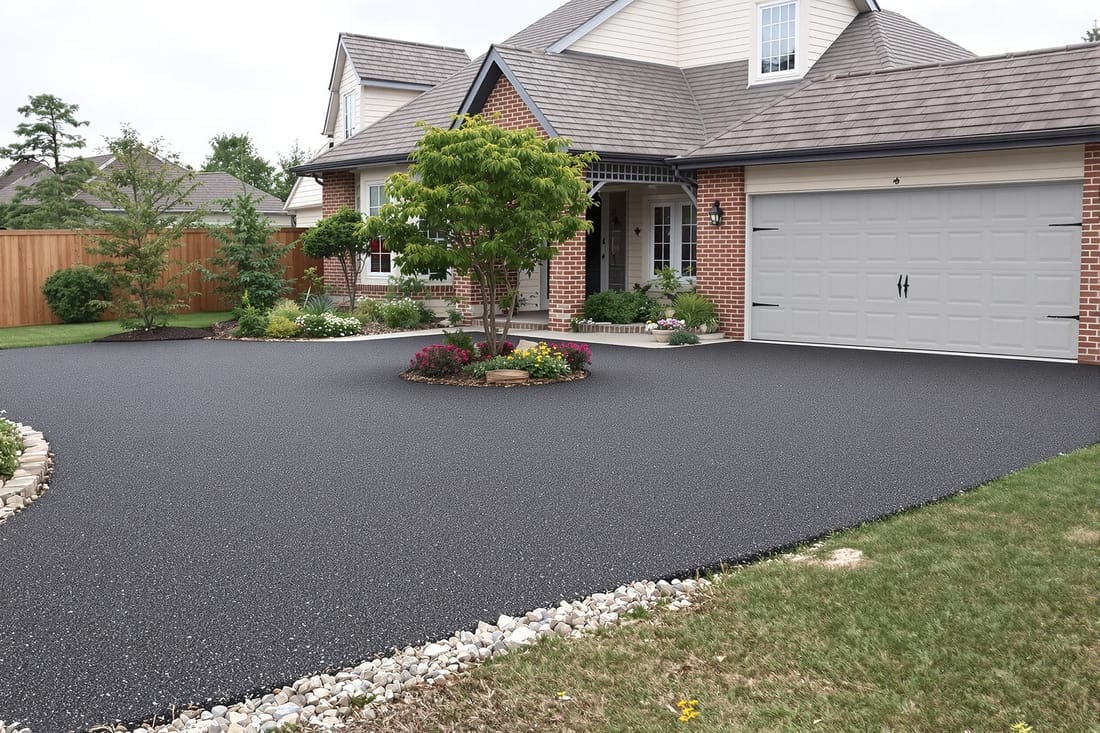
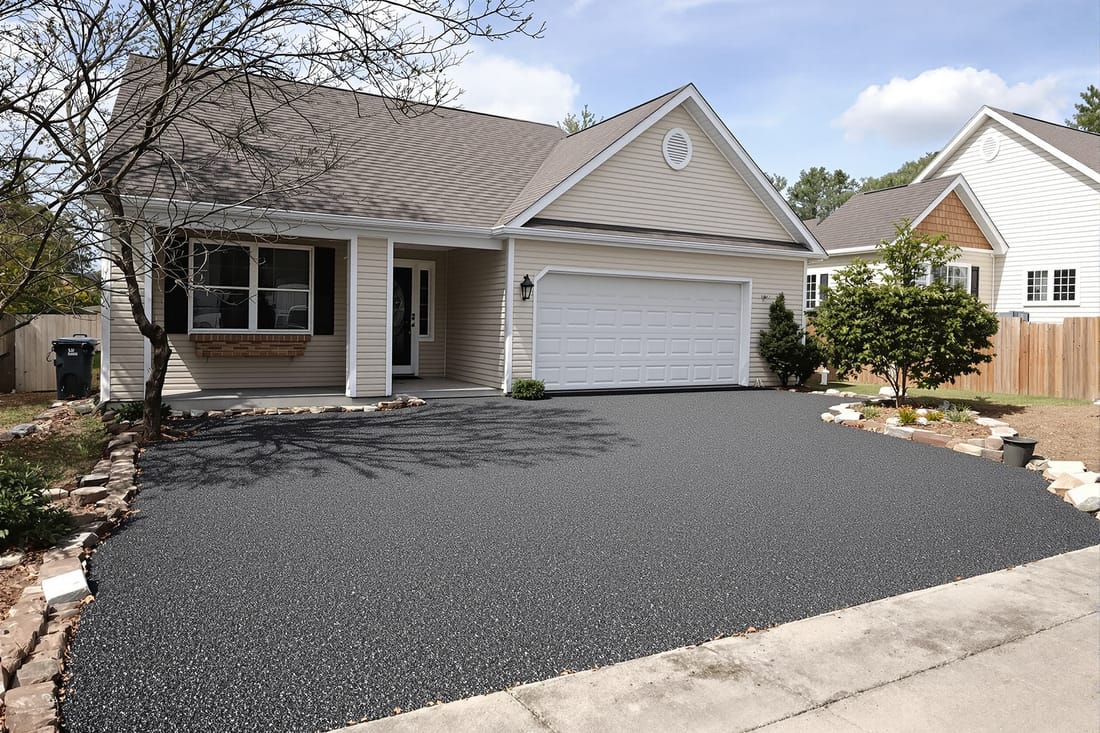
Turn your rough, dusty drive into a smooth surface with gravel to asphalt driveway conversions in Norfolk, VA. We regrade, compact, and pave existing gravel or dirt driveways to create clean, low-maintenance asphalt access.
Precision Asphalt Norfolk provides professional gravel to asphalt driveway throughout Norfolk, VA, Virginia and the surrounding area. Our licensed, insured crew delivers safe, clean, on-time work with a free estimate before anything begins. Call (757) 908-3635 or request your free quote.
Turn Your Gravel Driveway Into Smooth Asphalt in Norfolk
If you are tired of ruts, dust, and loose stone every time you pull into your driveway, a gravel to asphalt driveway conversion can be a big quality of life upgrade. At Precision Asphalt Norfolk, we focus on taking existing gravel drives in and around Norfolk, VA and turning them into clean, durable asphalt surfaces that hold up to our local tidewater climate.
Norfolk’s mix of sandy soil, clay pockets, and high groundwater means gravel behaves differently here than in other regions. We look at how your gravel driveway currently drains during a heavy rain, where the puddles form, and how the base feels under the tires. That first visit is about understanding what you already have so we can reuse as much good base as possible and only rebuild what is needed.
A gravel to asphalt driveway is not just a layer of blacktop over stone. The long term success of the new surface depends on compaction, thickness, and drainage. Our team will explain these details on site in plain language so you know exactly what you are paying for and what kind of lifespan to expect from your new asphalt.
How Our Gravel-to-Asphalt Conversion Process Works
Every project starts with an on site walkthrough. We measure the driveway, check edge conditions near grass, fences, and structures, and identify any soft spots. In Norfolk, we also pay close attention to how close your driveway is to ditches, inlets, and tidal areas, because that affects how we handle drainage and thickness.
Step one is grading and reshaping the existing gravel. We use a grader or skid steer to cut down high spots, fill low areas, and create a consistent slope away from your home or garage. If the existing gravel is good quality and not contaminated with mud or organic material, we will blend it and reuse it as part of the base layer, which can help control cost.
Next we compact the base. Using vibratory rollers and plate compactors around tight areas, we aim for a firm, non yielding surface. On many Norfolk properties we add a layer of crushed stone (typically a 21A or similar) over the existing gravel to tighten up the base. This is especially important in areas where groundwater keeps the soil soft after storms.
If the soil is weak or the driveway will see heavier vehicles, we may install a geotextile fabric between the soil and new stone. This helps spread the load and keeps the stone from pumping down into the subgrade, a problem that shows up as early cracking or depressions a few seasons after paving.
Once the base is set and checked with a straightedge, we apply a hot mix asphalt layer. Most residential gravel to asphalt driveway conversions in Norfolk use a 2 to 3 inch compacted asphalt thickness. We use a mechanical paver on straight or wide runs, then hand rake around curves, aprons, and tie ins to sidewalks or roadways. The final step is rolling the asphalt while it is still hot to lock aggregate together and give you a smooth, dense surface.
Design Options for Your New Asphalt Driveway
With a gravel to asphalt driveway conversion, you can often improve the layout at the same time. During our estimate, Precision Asphalt Norfolk can suggest small changes that make daily use easier, such as widening tight turns, adding a parking pad, or softening steep transitions to the street.
You can choose a standard straight driveway or add gentle curves to work around trees, landscaping, or drainage features. Curved designs often look more finished and can help slow vehicles near the house. Where space allows, a small turn around or T shaped extension can make backing out into Norfolk’s busier streets safer.
For edge treatment, there are several options. Some homeowners prefer a clean asphalt edge that tapers into the yard. Others like a defined border with concrete, brick, or Belgian block. An edge restraint is particularly helpful where the new asphalt transitions to soft soils, since it protects against edge crumbling if cars routinely drive near the outside of the pavement.
If you experience standing water now, we can incorporate simple drainage improvements into the design. This might include subtle crown shaping of the driveway, shallow swales that direct water to an existing ditch, or, in some cases, a short section of perforated pipe wrapped in stone under problem spots. These small changes during conversion help prevent future puddling and freeze related damage in colder months.
Finally, if your driveway meets a city street, we pay careful attention to that tie in so there is no harsh bump. Norfolk has specific standards for work near the public right of way, and we coordinate our approach so your new asphalt edge looks clean and complies with local expectations.
What Affects the Cost of a Gravel-to-Asphalt Driveway in Norfolk
Homeowners often ask why prices can vary so much between gravel to asphalt driveway quotes. The largest cost driver is base preparation. If your existing gravel driveway is thick, well drained, and mostly free of mud, we can usually convert it with less new stone and less labor. If the base is thin, mixed with clay, or holds water, we may need to remove sections, install fabric, and bring in additional aggregate.
Driveway size and shape are next. Long straight runs are more efficient to pave than short, broken up areas with tight turns or multiple tie ins to garage doors, walkways, or patios. Complex layouts require more hand work and additional time to ensure even compaction and a clean finish.
Access affects cost as well. If trucks and paving equipment can reach the driveway easily, production goes faster. In tighter Norfolk neighborhoods, where equipment has to be smaller or asphalt must be shuttled in with wheelbarrows or small dumpers, labor time increases.
Asphalt thickness and mix specifications also play a role. A light duty driveway that only sees passenger vehicles can use a different design than a drive that regularly supports work trucks, RVs, or boat trailers. At Precision Asphalt Norfolk, we explain the tradeoffs, from initial cost to expected lifespan, so you can choose what fits your budget and use.
We provide written estimates that break out base preparation, asphalt placement, and any extras like edging or drainage improvements. This way you can compare our proposal with others line by line, instead of trying to interpret a single lump sum number.
Local Considerations, Timing, and Maintenance After Conversion
Norfolk’s coastal climate affects how and when gravel to asphalt driveway projects are scheduled. We avoid paving on saturated bases or just before heavy rain, since moisture trapped under new asphalt can shorten its life. Spring through fall is ideal, but we can pave on any dry day that meets temperature requirements. During your estimate, we will discuss timing so the driveway has proper curing time before heavy use.
Our local experience also comes into play with soil conditions near the Elizabeth River and other low lying areas. In places with higher groundwater, we may recommend slightly thicker stone bases or fabric to help keep the driveway stable over time. In older neighborhoods with existing drainage ditches, we make sure the new elevation of your asphalt does not block water flow or create a low spot that your neighbors will notice.
After your gravel to asphalt driveway is installed, basic care is straightforward. We typically recommend keeping vehicles off the new surface for at least 24 hours, longer in cooler, damp weather. Avoid sharp turning of steering wheels while parked in one place for the first few weeks, since fresh asphalt is more impressionable. It is also wise to keep heavy stationary loads, like loaded dumpsters, off the driveway unless we designed it for that use.
Over the first year, the asphalt will fully cure and harden. Small surface scuffs from turning tires are normal and usually fade. Routine maintenance mainly consists of keeping edges trimmed so grass does not creep onto the surface, sweeping off accumulated debris, and addressing any small cracks as they appear. Precision Asphalt Norfolk can return for sealcoating after the first couple of years if you want added protection and a darker, fresh look.
Because we are local, if any issues arise after the conversion, such as a low spot you notice after a storm or an edge that begins to unravel, you know exactly who to call. Our goal is that your move from gravel to asphalt feels like a permanent improvement, not a temporary fix.