Home › Parking Lot Paving & Installation
Outfit your property with professional asphalt parking lot paving in Norfolk, VA. We design and install new commercial lots with proper grading, base, and striping so your customers and tenants enjoy smooth, safe parking from day one.
Precision Asphalt Norfolk provides professional asphalt parking lot paving throughout Norfolk, VA, Virginia and the surrounding area. Our licensed, insured crew delivers safe, clean, on-time work with a free estimate before anything begins. Call (757) 908-3635 or request your free quote.
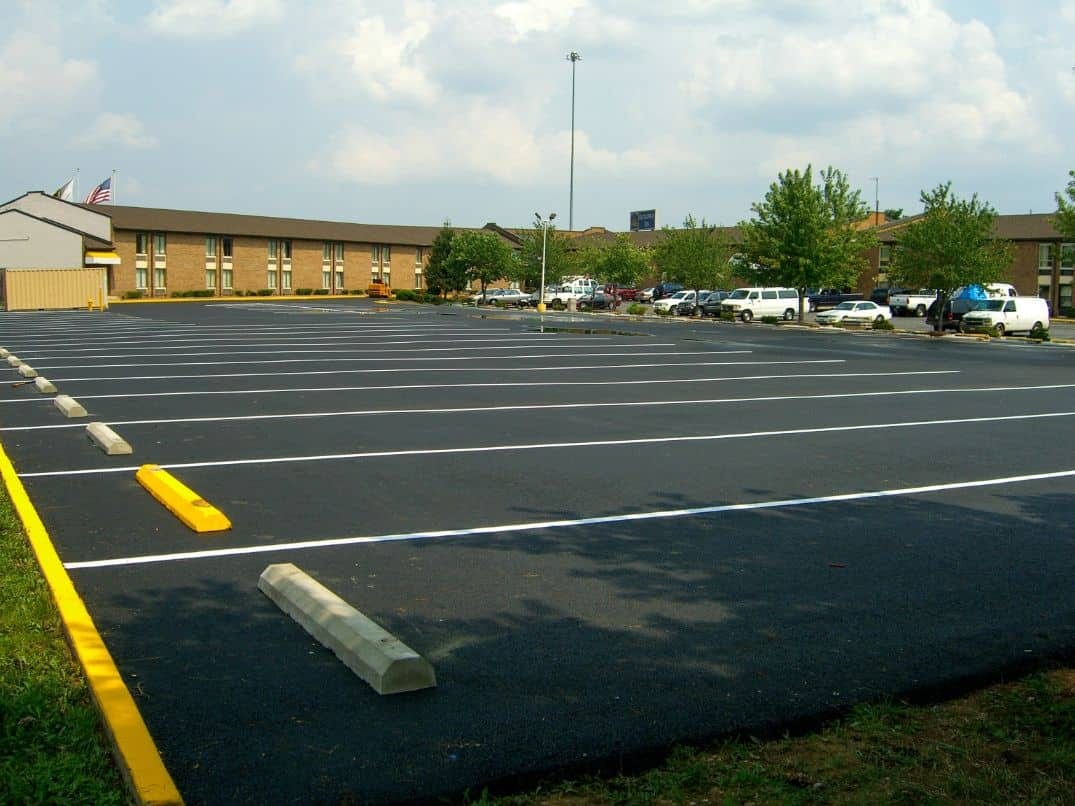
Asphalt Parking Lot Paving in Norfolk, Built for Coastal Conditions
Precision Asphalt Norfolk provides asphalt parking lot paving and installation tailored specifically to Norfolk, VA properties. From busy commercial strips along Military Highway to small church lots in Park Place, we design and build parking areas that handle local traffic patterns, coastal weather, and city drainage rules.
Our focus is on practical, long lasting parking lots, not just a black surface. We look at how drivers actually move through your property, where water naturally wants to flow, and how heavy your traffic is during peak hours. Then we recommend an asphalt design that fits your use, budget, and future maintenance plans.
Whether you manage a medical office near Sentara, a restaurant off Colley Avenue, or an industrial site by the port, our asphalt parking lot paving is planned around the specific way your site operates, including delivery trucks, customer turnover, and any ADA or fire lane requirements you must meet.
What To Expect From Our Parking Lot Installation Process
When Precision Asphalt Norfolk installs a new asphalt parking lot, we follow a detailed process so you know what will happen on your property and when.
We start with a site visit, where we measure the area, note existing grades, check soil conditions, and locate utilities, entrances, and drainage points. We review your current traffic flow, peak use times, and any trouble spots like ponding or ruts. Then we provide a written plan that outlines grading, base preparation, asphalt thicknesses, and striping layout.
On installation day, we begin by excavating to the required depth. Old asphalt or concrete is removed and either recycled or legally disposed of. We shape the subgrade to establish proper slope toward inlets or swales, usually a 1 to 2 percent grade so water moves but customers do not feel off balance.
Next, we install and compact the aggregate base, typically using VDOT approved crusher run stone. We use multiple passes with vibratory rollers to reach the compaction levels needed to prevent future settlement. Only after density checks are satisfactory do we place asphalt.
Asphalt is placed in one or more lifts using commercial pavers, then compacted promptly with steel drum rollers. We pay close attention to joints between passes so they do not become future crack lines. Once the surface has cooled, we return for striping, wheel stops, signage, and any required pavement markings such as ADA stalls and fire lanes.
Design Options: Thickness, Layout, and Uses for Your Norfolk Lot
Not every parking lot in Norfolk should be built the same. A small law office near downtown does not need the same asphalt structure as a shipping business off Hampton Boulevard. At Precision Asphalt Norfolk, we explain the options clearly so you can choose what fits your use.
We adjust asphalt thickness and base depth based on expected loads. A light duty lot for passenger cars might have a 4 to 5 inch asphalt section over a compacted stone base. A mixed use lot that sees delivery trucks or trash trucks may need 6 to 8 inches of asphalt or a combination of thicker base stone with a heavier asphalt binder course beneath the surface layer.
Layout is just as important as thickness. We look at Norfolk city requirements for stall size and drive aisle widths, then fit as many safe, code compliant spaces as practical without creating tight turns or blind backs. Where traffic is heavy, we may recommend a one way circulation pattern or a separate entrance and exit to prevent congestion at the curb cut.
We can also add features like concrete dumpster pads in high stress loading zones, reinforced entrances at the street where vehicles turn sharply, and high visibility crosswalks near building entrances to protect pedestrians.
How Local Soil and Drainage Affect Your Parking Lot
Norfolk has a mix of sandy and silty soils, plus a high water table in many low lying areas. These conditions matter a lot when you are installing asphalt parking lots, because they affect how well the base holds up over time.
During our evaluation, Precision Asphalt Norfolk checks for soft subgrade areas and poor drainage that could cause future failures. In spots with weak soils, we may recommend undercutting and replacing some of the native soil with suitable compactable fill or adding a thicker stone base. In very wet areas, a simple swale or additional inlet may be needed to move surface water away from the pavement.
We also look at how your lot ties into the surrounding city streets and storm drains. Norfolk sees intense rain events and nor’easters that push water sideways across surfaces. Proper slope, stable edges, and clear paths to inlets are critical to avoid standing water that leads to potholes, raveling, and ice in winter.
By dealing with these issues during design and installation, you reduce the chance of ponding, soft spots at the edges, and early cracking that shorten the life of your parking lot.
What Drives the Cost of Asphalt Parking Lot Paving
Many property owners want to know why one parking lot installation costs more than another. We are transparent about the factors that affect pricing so you can make informed decisions.
The biggest items are size, depth of excavation, and thickness of the stone base and asphalt layers. A larger lot does not just use more asphalt, it also takes more time for grading, compaction, and striping. If old pavement or unsuitable soil must be removed and hauled away, that adds trucking and disposal costs.
Site conditions around Norfolk can also add or reduce costs. Easy access for trucks and pavers keeps prices lower. Tight spaces behind older brick buildings or limited staging space downtown can increase labor time. Drainage features such as new inlets, curbing, or tie in to existing structures affect the overall price as well.
Finally, project timing and phasing influence cost. Working at night so a medical office can stay open, or phasing sections for a busy retail center, requires additional mobilizations and traffic control. We work with you to balance cost with the need to keep your business operating.
Common Parking Lot Issues and How We Prevent Them
Most of the problems we are called to repair on parking lots in Norfolk share a few root causes: thin pavement, poor drainage, and inadequate compaction. Precision Asphalt Norfolk addresses those issues during installation so your lot lasts longer.
Rutting and depressions often show up where heavy trucks stop or turn, such as at entrances or around dumpsters. We prevent this by thickening the asphalt or base in those areas and by recommending separate concrete pads where necessary.
Premature cracking usually comes from movement in the base or subgrade. Careful compaction of each layer, from the subgrade to the top asphalt lift, reduces that movement. We also keep joints straight and well compacted, since weak joints are common starting points for cracks.
Ponding water can break down pavement quickly, especially with Norfolk’s coastal storms. When we design your lot, we look for any locations where water might collect in wheel ruts or low corners and adjust grades before paving begins. Proper slope and good tie in at drains are more effective and less expensive than repeated patching later.
By focusing on these known problem areas during installation, we reduce your long term repair costs and help your lot stay smooth and safe for customers and employees.
Why Local Businesses Choose Precision Asphalt Norfolk
Working with a local paving contractor matters when you are investing in an asphalt parking lot. Precision Asphalt Norfolk is familiar with Norfolk’s permitting process, typical soil conditions, and the demands that local traffic and weather put on commercial pavement.
We coordinate with property managers, business owners, and tenants to schedule work when it disrupts you the least. For example, we can phase a shopping center lot so you always have open parking near at least one entrance, or complete small office lots between business days to avoid lost appointments.
Our crews are set up for full service parking lot installation, from initial grading through final striping and signage. You do not have to coordinate multiple contractors for base work, asphalt, and painting. We also offer follow up maintenance plans so you know when to budget for sealcoating, crack sealing, and re-striping.
If you are planning a new asphalt parking lot paving project in Norfolk, VA, or replacing an aging surface that has reached the end of its life, we can walk you through realistic options, life expectancies, and phased improvements if you need to spread the cost over several years.