Home › Parking Lot Sealcoating & Maintenance
Protect your investment with scheduled parking lot sealcoating in Norfolk, VA. Our maintenance programs include crack sealing and sealcoat applications that slow aging, improve traction, and keep your commercial asphalt looking freshly paved.
Precision Asphalt Norfolk provides professional parking lot sealcoating throughout Norfolk, VA, Virginia and the surrounding area. Our licensed, insured crew delivers safe, clean, on-time work with a free estimate before anything begins. Call (757) 908-3635 or request your free quote.
Parking lot sealcoating in Norfolk that actually holds up
Parking lots in Norfolk take a beating from hot summers, coastal moisture, and freeze-thaw cycles. At Precision Asphalt Norfolk, our parking lot sealcoating focuses on getting you more years out of the pavement you already paid for, not just making it look dark and shiny for a month.
Sealcoating is a protective layer applied over your existing asphalt. It blocks UV damage, slows oxidation, and helps keep water, oil, and salt from soaking into the pavement. In Hampton Roads, that protection matters because we see wide temperature swings, summer storms, and occasional winter ice that can open small cracks into big potholes if the surface is unprotected.
Our crews tailor every job to how your property is actually used. A busy retail plaza with constant turning traffic needs a different approach than a light-use church or medical office lot. We look at where vehicles track, where water collects, and how deliveries come in so the sealcoat and any repairs underneath are matched to your real-world conditions, not a one-size-fits-all approach.
How we sealcoat your parking lot, step by step
Quality sealcoating is 80 percent prep and 20 percent product. Here is what you can expect when Precision Asphalt Norfolk sealcoats your parking lot.
Site walk and planning: We start with a walk-through of your lot, usually together with you or your manager. We flag trip hazards, soft spots, surface raveling, and drainage issues. At this stage we also talk about your busiest hours, delivery schedules, and any ADA access that must remain open so we can plan phasing and closures.
Cleaning and surface prep: We use high-powered blowers and steel wire brooms to remove loose grit, leaves, and debris. In heavy traffic lanes or older lots, we may recommend power washing or mechanical sweeping to get into surface voids. Sealcoat will not bond to dirt or dust, so this step is never rushed.
Oil spot treatment: In front of loading areas, drive-throughs, and long-term parking spaces, oil and fuel leaks are common. We treat these spots with a specialty oil primer and sometimes heat-scarify heavy deposits so the new coating does not peel or stay soft.
Crack sealing: Before any sealcoat goes down, we hot-seal cracks larger than hairline to keep water from getting into the base. We clean the cracks, then fill them with a hot rubberized crack sealant. In Norfolk, where we can get rain followed by overnight temperature drops, this step is critical to stopping small cracks from turning into potholes.
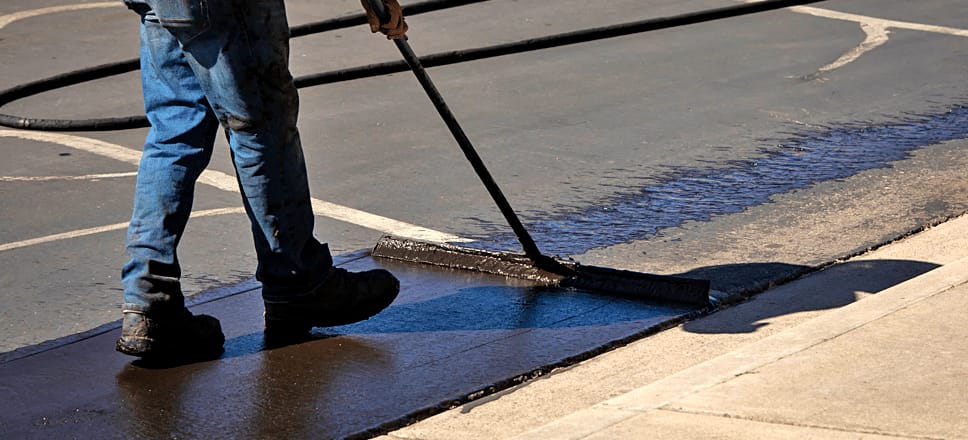
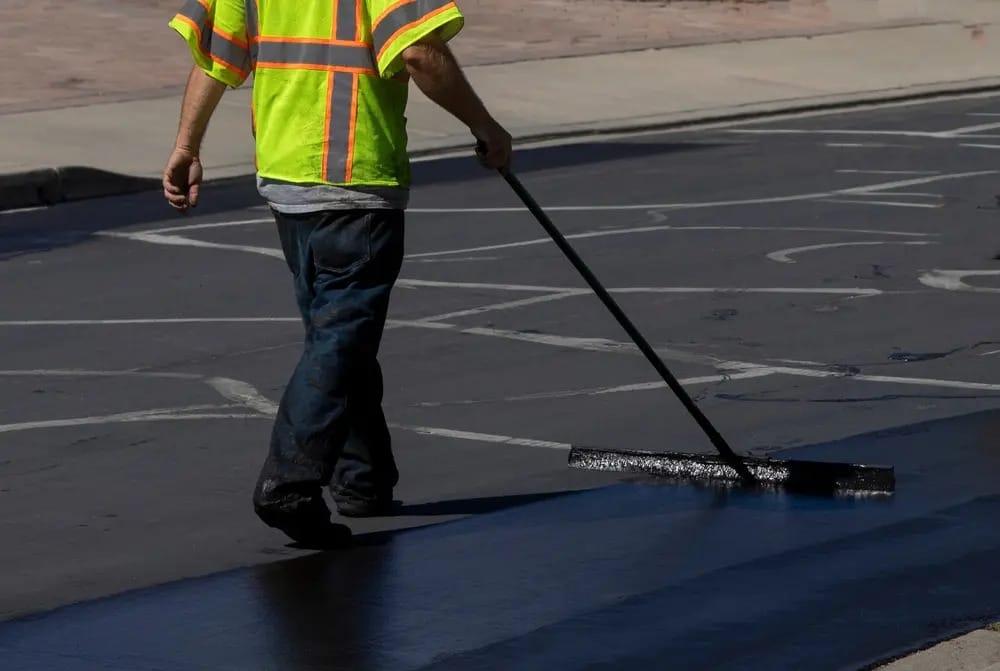
Application of sealer: We typically use a refined coal tar or asphalt emulsion sealer customized with sand and latex additives for extra traction and durability. Depending on the condition of your lot and manufacturer specs, we apply one or two coats by spray, squeegee, or a combination. For lots with more pedestrian traffic, we often squeegee the first coat to work material into the surface, then spray the second coat for an even finish.
Cure time and reopening: In Hampton Roads humidity, cure times vary. Most lots can be reopened to traffic within 24 hours, but shaded areas or heavier applications may need a bit longer. We phase large projects so your tenants and customers always have a place to park while sections cure.
Maintenance, repairs, and how to avoid bigger problems
Sealcoating works best as part of a simple, consistent maintenance plan. Precision Asphalt Norfolk builds a schedule around your budget and the way your lot is used so you can prevent surprise repairs.
Routine crack sealing: In our climate, even a newly sealed lot will eventually get new cracks. We recommend a yearly or every-other-year inspection to hot-seal new cracks before water intrusion compromises the base stone. This is far cheaper than cutting and patching later.
Localized patching: When we see soft spots or alligator cracking, we do not just paint over it. Those areas are usually caused by water damage or weak base material. We saw-cut the failed asphalt, remove it, repair the base if needed, then install new hot mix asphalt. Once patched, these areas are integrated into your next sealcoating cycle so the whole lot looks consistent.
Drainage and ponding: Norfolk is flat, and it is common to see standing water after a summer storm or nor’easter. Where water consistently ponds, asphalt tends to fail early. We look for these low spots and, when feasible, correct them with leveling courses or small grade changes before sealing so you are not sealing over a hidden problem.
Line visibility and safety: A fresh black surface will make old striping disappear. As part of maintenance planning we review your current layout, ADA compliance, stop bars, fire lanes, and crosswalks. If you have recurring fender benders or confusion in the lot, we can tweak the layout when we restripe after sealcoating to improve traffic flow and safety.
What affects cost and timing for parking lot sealcoating
No two lots around Norfolk cost the same to sealcoat, even if they look similar in size. Precision Asphalt Norfolk walks you through the specific factors that drive your price so there are no surprises.
Condition of the existing pavement: A tight, relatively smooth surface that has been maintained will need less crack filling and edge work than a dry, oxidized lot with raveling and potholes. More repairs mean more labor and materials before we even open a pail of sealer.
Access and phasing: Lots with a single entrance, attached drive-throughs, or 24-hour operations (like hotels or medical facilities) require more careful phasing, traffic control, and possibly night or weekend work. This can affect labor costs but minimizes disruption for your tenants or customers.
Layout complexity: A simple rectangular lot is quicker to clean and coat than one broken up by islands, medians, tight corners, and heavy landscaping. More cutting in around curbs and islands means more handwork and time on site.
Material selection: We select from several commercial-grade sealers based on your needs: higher-traffic shopping centers may benefit from a more durable, sand-loaded mix, while low-traffic lots might work well with a standard emulsion. We explain the pros, cons, and cost differences of each so you know what you are paying for.
Best time of year: In Norfolk, our preferred sealcoating window is typically April through early October when daytime highs are at least in the 60s and nights stay warm and mostly dry. Trying to sealcoat outside that window often leads to longer cure times and weaker bonding. If you have a specific event or busy season, we schedule around it and may recommend early morning or segmented work to keep your operation running.
Why Norfolk businesses choose Precision Asphalt Norfolk
Choosing who works on your parking lot is a long-term decision. Precision Asphalt Norfolk focuses on communication, timing, and realistic expectations so you know exactly what you are getting and how long it should last.
Local experience: We work across Norfolk, from Ghent and Ocean View to industrial properties near the shipyards, so we know how local soils, traffic patterns, and weather affect asphalt performance. That experience guides our recommendations on how often to sealcoat and when to prioritize repairs.
Clear scheduling and tenant coordination: For multi-tenant properties, we help prepare notices, phasing maps, and simple parking diagrams so your tenants understand which areas close when. We set realistic reopen times and stick to them so businesses are not caught off guard.
Straightforward recommendations: If your lot only needs crack sealing and another year before a full sealcoat, we will say so. If parts of the pavement are too far gone for sealcoating to be worthwhile, we explain why and outline patch or replacement options instead of selling a coating that will not hold up.
From initial visit to the last barricade pickup, the goal is simple: give your customers and employees a cleaner, safer place to park and stretch the life of your asphalt as far as practical, using methods that make sense for Norfolk’s climate and your budget.