Home › Walkway and Pathway Paving
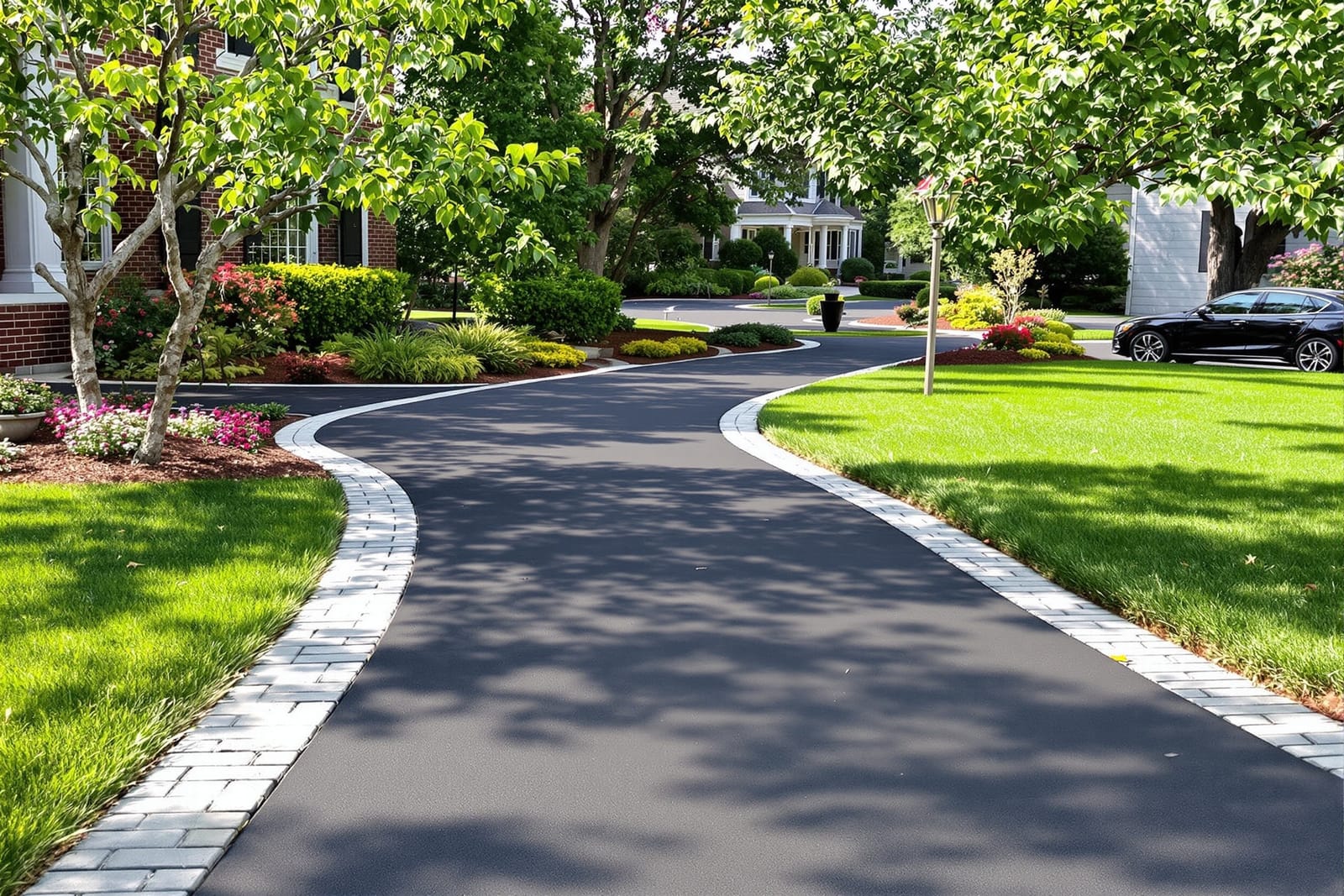
Create smooth, safe access around your property with asphalt walkway paving in Norfolk, VA. We design and install neat asphalt paths for gardens, side yards, and home entrances that are easy to maintain and comfortable to walk on.
Precision Asphalt Norfolk provides professional asphalt walkway paving throughout Norfolk, VA, Virginia and the surrounding area. Our licensed, insured crew delivers safe, clean, on-time work with a free estimate before anything begins. Call (757) 908-3635 or request your free quote.
Asphalt Walkway Paving Tailored to Norfolk Properties
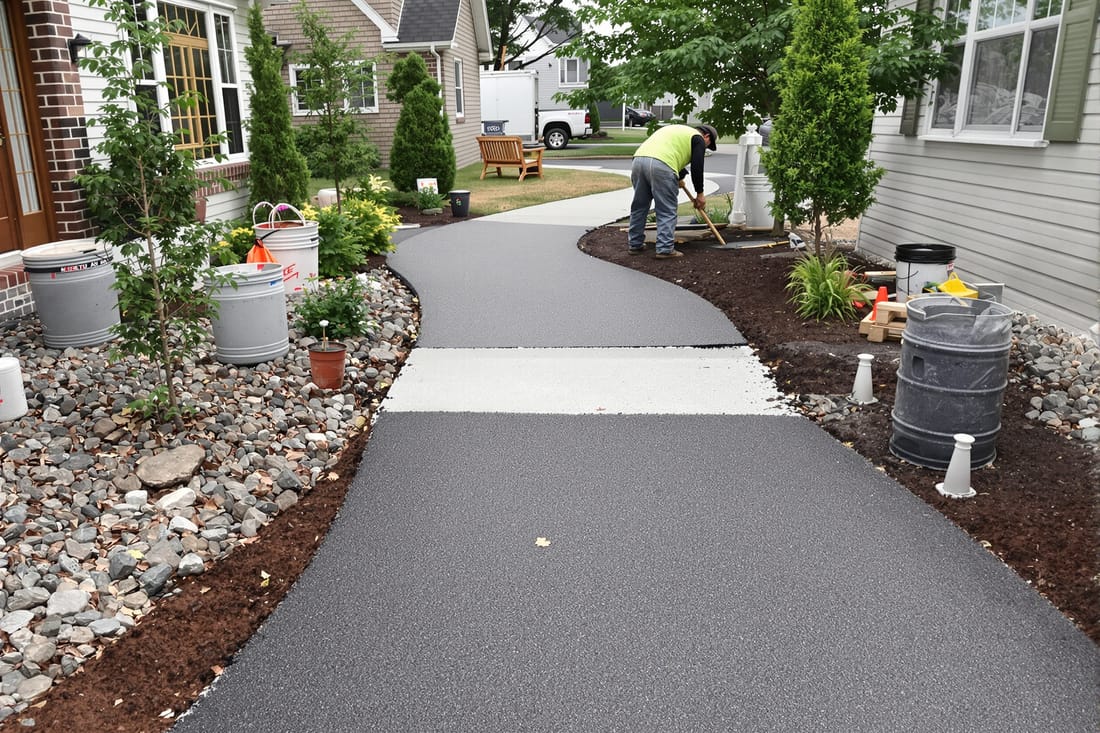
Well built walkways and pathways do more than connect point A to point B. They guide guests safely, keep feet out of mud, and give your property a finished, cared for look. At Precision Asphalt Norfolk, we design and install asphalt walkway paving that works with the way you actually use your yard, business entrance, or community grounds in Norfolk, VA.
We start with how people move through the space. For a home, that may be a gentle curve from driveway to front door, a path around the side of the house to a backyard gate, or a straight, functional route to trash and storage areas. For commercial and multifamily properties, we look at parking flows, ADA accessibility, delivery routes, and high traffic areas like mailbox clusters or playgrounds. Our goal is a walkway that feels natural to walk on every day.
Norfolk’s coastal climate matters. Frequent rain, occasional tidal flooding, and summer heat can quickly damage poorly built paths. We build thickness, drainage, and edging into the plan from the start so your asphalt walkway holds up through wet winters, hot summers, and the occasional tropical storm. When you talk with Precision Asphalt Norfolk, you get specific recommendations based on your exact site conditions, not a one size fits all template.
How We Build Long Lasting Asphalt Walkways and Paths
A durable asphalt walkway starts with what you cannot see. First, we mark utilities using Miss Utility of Virginia so no underground lines are disturbed. Then we strip away grass, roots, soft topsoil, and any failing concrete or asphalt. For most Norfolk properties we excavate 4 to 8 inches deep, adjusting for soil softness and how much foot or cart traffic the path will carry.
Next, we install a compacted stone base, usually a crushed aggregate like 21A or 57 stone. This layer is graded for a slight crown or side slope, typically 1 to 2 percent, so water runs off instead of sitting on the surface. In low lying or marshy parts of Norfolk, we may deepen the base, add geotextile fabric to keep the stone from sinking into the native soil, or incorporate small swales and drains alongside the path.
Once the base is shaped, we compact it with a plate compactor or small roller until it is firm enough that footprints do not appear. Only then do we place hot mix asphalt. For standard walkways we typically lay 2 inches of compacted asphalt, and for paths that will see carts, light vehicles, or maintenance equipment we often increase thickness. We spread the asphalt, smooth it with hand tools where needed, and compact it with a roller so the surface is dense, even, and ready for Norfolk’s changing weather.
Edges are where many walkways fail, so we give them extra attention. We can install asphalt with a compacted bevel edge, or pair it with concrete, brick, or metal edging to keep grass from creeping over and to prevent chipping. Finally, we walk the project with you, pointing out slope, drainage paths, and any features to be aware of, so you understand exactly how your new path was built.
Design Options That Fit Your Property and Budget
Asphalt walkways do not have to look like small roads. Precision Asphalt Norfolk offers several design choices so your walkway feels intentional and attractive, not just functional.
Layout: Straight walkways are cost effective and practical for service routes and tight side yards. Gentle curves soften the look of a front approach or garden path and can help route foot traffic around landscaping beds. In busy commercial areas, we sometimes combine wider main corridors with smaller branch paths to specific doors or seating areas so traffic flows naturally.
Width: For a single person walkway in a residential setting, 3 to 4 feet is common. If you want two people to walk side by side comfortably, or you need wheelchair access, 4 to 5 feet works better. At apartment complexes, schools, and churches in Norfolk, we often recommend 5 or 6 feet in high use zones so pedestrians, strollers, and wheelchairs can pass each other without stepping into grass.
Finish and edging: Standard hand finished asphalt has a fine, textured appearance. For more visible locations, we can roll the surface a second time for a tighter, smoother look. Edges can be compacted and sloped into lawns, or bordered with concrete bands, pavers, or decorative stone. In shaded, damp Norfolk yards prone to slippery moss, we can keep a slightly more textured finish for better traction, and discuss sealcoating schedules that balance appearance with grip.
Color and markings: While asphalt itself is black, we can add painted striping for shared use paths, crosswalks, or fire lanes, and we can form concrete or paver insets at intersections and entrances to break up long runs visually. These small touches help your walkways feel like part of a planned landscape, not an afterthought.
What Affects Cost for Asphalt Walkway Paving in Norfolk
No two walkway projects price out the same, and we are upfront about what drives cost so you can make informed decisions. Precision Asphalt Norfolk looks at several key factors when estimating your asphalt walkway paving.
Site conditions: Soft or saturated soil, tree roots, existing failing concrete, or grade changes can add excavation and preparation time. A simple path across firm, level ground will cost less than a sloped path that requires retaining, extra base stone, or tree root management. In older Norfolk neighborhoods, we often find buried debris that needs to be removed, which we discuss with you immediately.
Length, width, and thickness: More square footage means more materials and labor. A narrow 3 foot garden path is less expensive than a 6 foot community walkway of the same length. Increasing base depth and asphalt thickness for heavier use will raise the cost slightly but usually pays off in increased lifespan and fewer repairs.
Access: If our crew can reach the work area with equipment directly from the street or driveway, costs stay lower. Tight backyards with limited access or paths that run behind buildings may require more hand work and smaller tools, which affects labor time.
Options and extras: Decorative edging, drainage structures, steps or ramps, and any required ADA compliant features will add to the project total. We can present a base price plus clearly listed options so you can decide what fits your budget now and what can be planned for a future phase.
Timing: In Norfolk, the most cost efficient installation window is generally from late March through early November, when temperatures are warm enough for proper asphalt compaction. During peak summer demand, schedules fill quickly, so booking early gives you more flexibility on dates and sometimes access to better pricing.
Common Walkway Problems We Prevent and Repair
Walkways and pathways fail in predictable ways, especially in a coastal city like Norfolk. Precision Asphalt Norfolk designs and builds with these issues in mind, and we can also repair and resurface existing asphalt paths.
Standing water: If a walkway is flat or sloped the wrong way, water will pool and seep into the asphalt and base, leading to cracks and potholes. We correct this by regrading the base for a consistent cross slope and, where necessary, adding drains or swales to move water away. During planning, we check how water flows during Norfolk’s heavier rains so your new path sheds water, not collects it.
Root damage: Tree roots can heave and crack rigid materials like concrete. Asphalt is slightly more flexible, but if roots are large and close to the surface they can still cause problems. We identify critical roots, adjust the route if possible, or work with careful root pruning and localized thickened sections to reduce future lifting. For existing paths with root damage, we may mill down the high spots, install a new overlay, or realign the path to protect both the tree and the walkway.
Cracking and raveling: Thin asphalt, poor compaction, or a weak base can cause surfaces to break up, especially after freeze thaw cycles. We address minor cracking with sealing, and more advanced damage with patching or partial reconstruction. When we install new paths, we use appropriate base depth and compaction for Norfolk’s soil and traffic conditions so you are not paying for the same repair every few years.
Edge breakdown: Wheelbarrows, lawn equipment, and cars cutting corners can fracture walkway edges. We prevent this by building solid, compacted edges and recommending curbing or barriers where vehicles should not cross. For existing edges that are crumbling, we saw cut to solid material, rebuild the base, and tie in a fresh, compacted edge that better handles everyday use.
What to Expect When You Hire Precision Asphalt Norfolk
We want your asphalt walkway paving project to feel straightforward, not stressful. It starts with a site visit, not a guess over the phone. We measure, check slopes, look at drainage paths, evaluate soil conditions, and listen to how you use the space. You will get a written proposal that explains scope, materials, and any options so there are no surprises.
Before work begins, we confirm utility markings and discuss access, parking, and any temporary closures or detours that might affect your family, tenants, or customers. On residential jobs, we coordinate around your schedule as much as possible. On commercial or community properties, we often plan phases so at least one walkway route remains open or we install temporary safe routes if needed.
During construction, you will see our crew remove existing material, build the stone base, compact it in layers, and then place and roll the asphalt. We keep the site as tidy as practical, manage dust and debris, and communicate each step, including when you will be able to walk on the new surface. Typically, light foot traffic can resume within a few hours, with full curing over several days.
After the walkway is complete, we walk it with you and explain basic care: avoiding sharp objects and heavy vehicles on the edges, keeping gutters and downspouts from dumping directly on the surface, and when to consider sealcoating. For most Norfolk walkways, a first sealcoat within 12 to 18 months, then every few years, keeps the surface looking fresh and protected. If you ever see something you are unsure about, you can call Precision Asphalt Norfolk and talk with someone who knows exactly how your path was built and how to maintain it.